The partition has had a greater impact than one can imagine. There is that tiny flame of Sindh lit in each Sindhi’s heart through the generations because that’s where the sense of belonging comes from. That’s the nostalgia through parents and grandparents tales even though many among the present generation haven’t even been to Sindh. Being a Hindu Sindhi one doesn’t quite become a citizen of One Nation- our roots are as much in Sindh as in Hind and then there are those of us born on some third land or settled there hence gaining a “Triple Heritage”.
Hindu Sindhi
Teejri
The cradle of the Goddess Published in August 2026 Edition of Hindu Deep by Hindu Council of Kenya Published in Edition 835 of The Asian Weekly
August 14, 1947 : The dark day

Post Courtesy: Koki Club on social media On this day in history, August 14, we solemnly observe the tragic partition of India, a profound event that forever reshaped the destiny of Punjab. By the midnight of August 14-15, 1947, the dominions of India and Pakistan were demarcated, dividing the world's largest empire. This hastily executed … Continue reading August 14, 1947 : The dark day
The second partition!
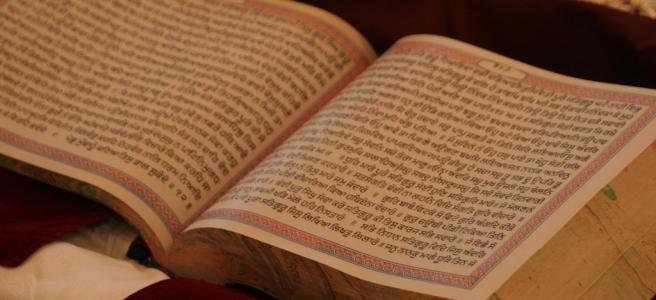
wonder how the worship of idols is termed as being ritualistic but worship of a book is not. In my perspective it is equally ritualistic. It is sad that the world of differences is gaining strength and the way the religious intolerance is spreading. Read on for more on the second eminent partition between two factions of society.
Cheti Chand 2005 in Nairobi (News from the archives)
The pictured news article is scanned from the July 2005 edition of "The Indian" magazine that was published in Hong Kong. Monica Gokaldas served as a voluntary correspondent from Kenya until the magazine ceased publication.
Cheti Chand!
Sindhi New Year : Cheti Chand 23rd March 2023 Ram Mandir, Nairobi Lord Jhulelal is worshipped by the Hindu Sindhis as their Isht Deva ( primary deity) . Pictured here is the murti installed at the Ram Mandir in August 2000. The marble idol was made in Jaipur, India and brought by Late Mrs. Gita … Continue reading Cheti Chand!
जय झूलेलाल/ Jai Jhulelal
Jai Jhulelal! This Sindhi greeting pictured at Ram Mandir, Nairobi on the occasion of Hindu Sindhi New Year Cheti Chand 2023 / Vikram Samvat 2080 Banner designed by Sonia Harjani ( Guided by Monica Gokaldas)
Mahashivratri Deepmala
Mahashivratri Deepmala sringar Darshan Rameshwar mahadev (Sindhi Guru Mandir, Bangalore) 🙏 18/02/23 courtesy: Maharaj Ramesh Sharma
Traditional Inheritance
Meera had tried her best to maintain the family traditions as taught to her by Parvati over the years and after nearly 40 years she was nothing short of a pro of family customs and traditions and in a little less than 10 years of her own son’s wedded life had started passing on some of these traditions on to her own daughter in law Komal.
CHETI CHAND FESTIVAL
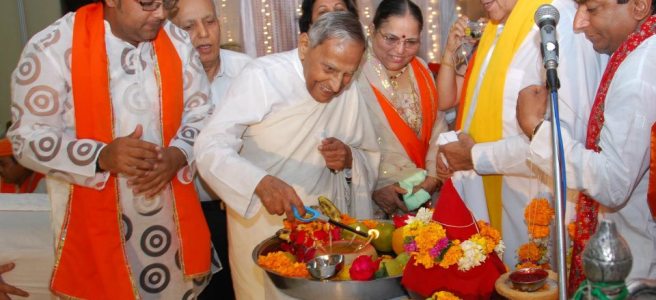
The Hindu Sindhis celebrate Cheti Chand as their New year. Since the partition of India only a fraction of Sindhis remained in Sindh territory which came under Pakistan. Thousands of Sindhi families that were forced to abandon their abode during the partition of the country migrated to India and various other parts of the world. Since there is no state that belongs to this growing community, they are recognized as world citizens and have adapted themselves to respective cultures and continents. The uniting factor is their culture that marks Cheti Chand as their day of identity.

