Interesting facts and stories emerge out of the festivals that we celebrate. As I was growing up in my younger days we weren’t supposed to question the Why’s and What’s of things that we practiced. We just did things because we were told to do and that , that was the done thing.
Then of course the ignorance was somewhat illumined with the knowledge imparted at school but the religious festivals and rituals were not much spoken about even at school. It would be sheer good luck if grandparents narrated tales of yore at bedtime and that would give us information. Often bedtime stories invoked curiosity and those questions would be answered by elders but questioning the rituals was a taboo. One would be termed as rude if one questioned religious practices and beliefs.
Today as I go through the social media and find loads of information being poured out on our faces, I am relieved and happy about it because it helps my children and grandchildren to understand the aspects of religious practices and celebrations in a very simple way.
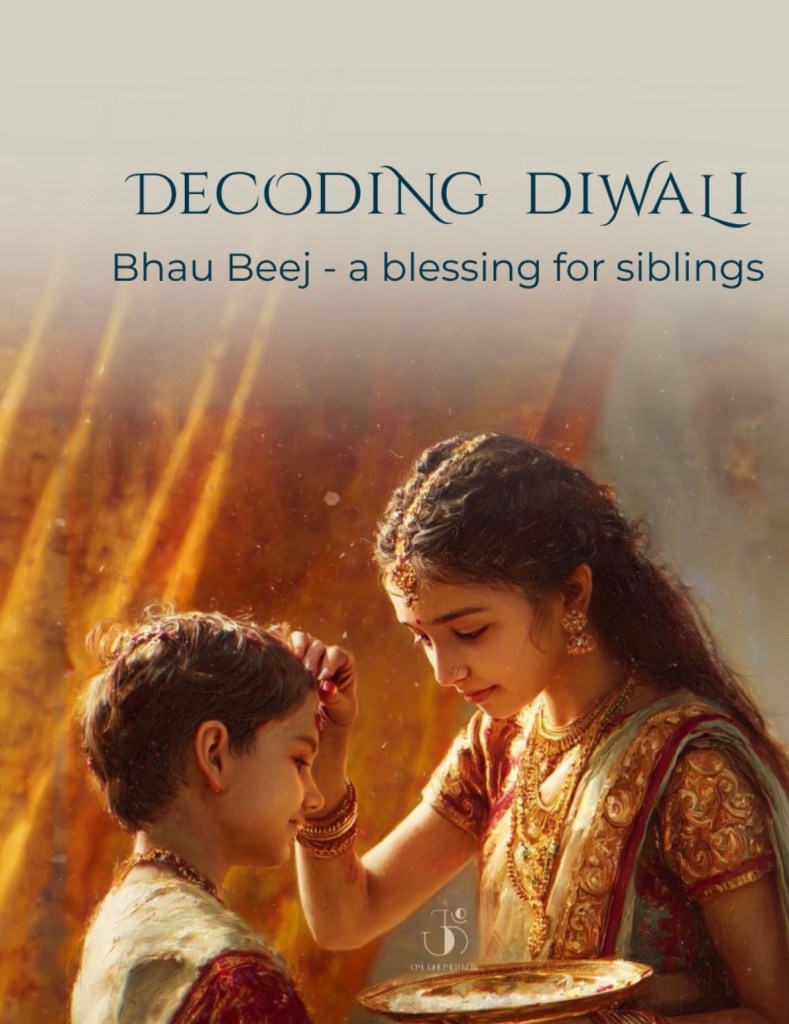
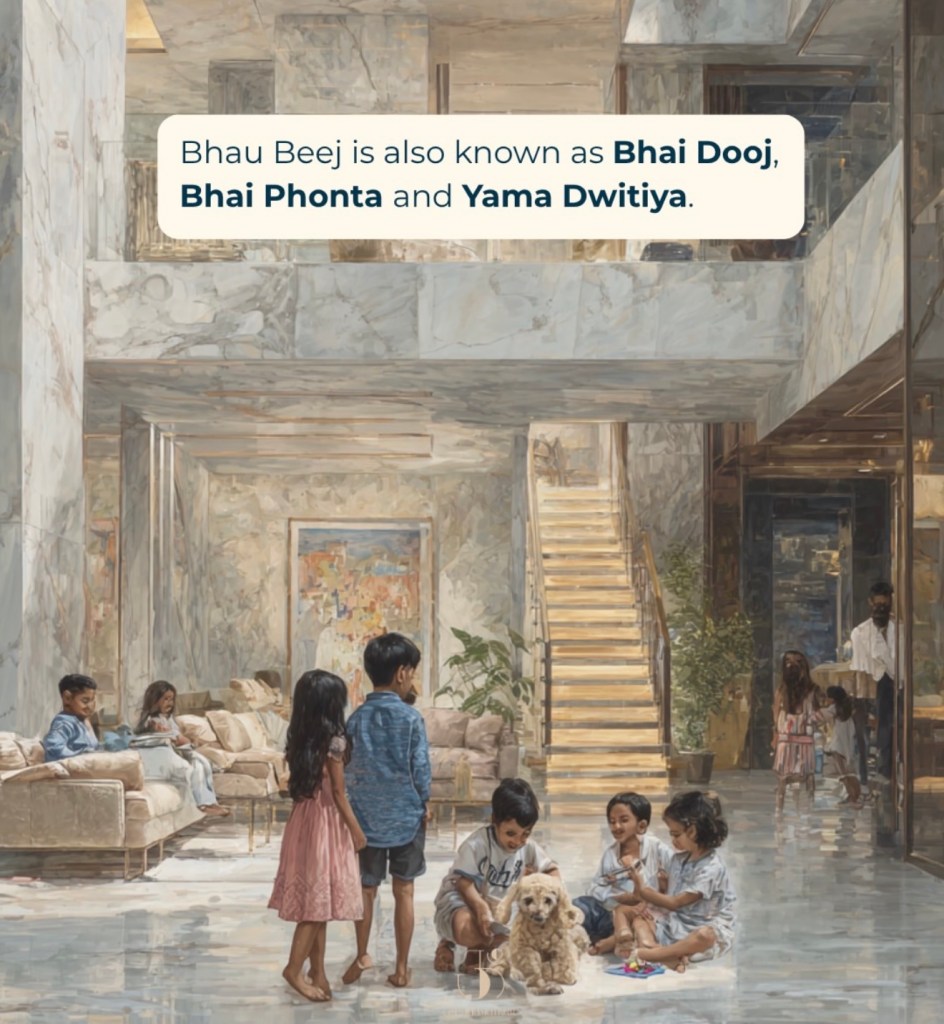
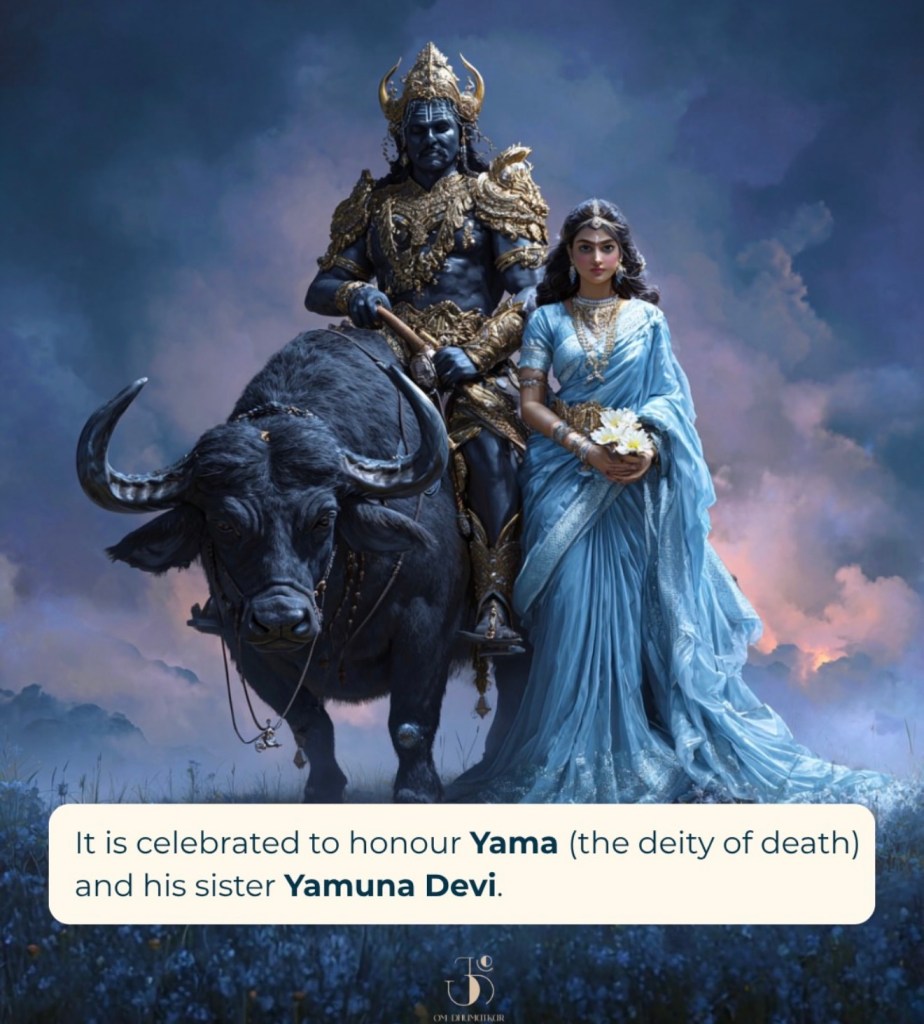
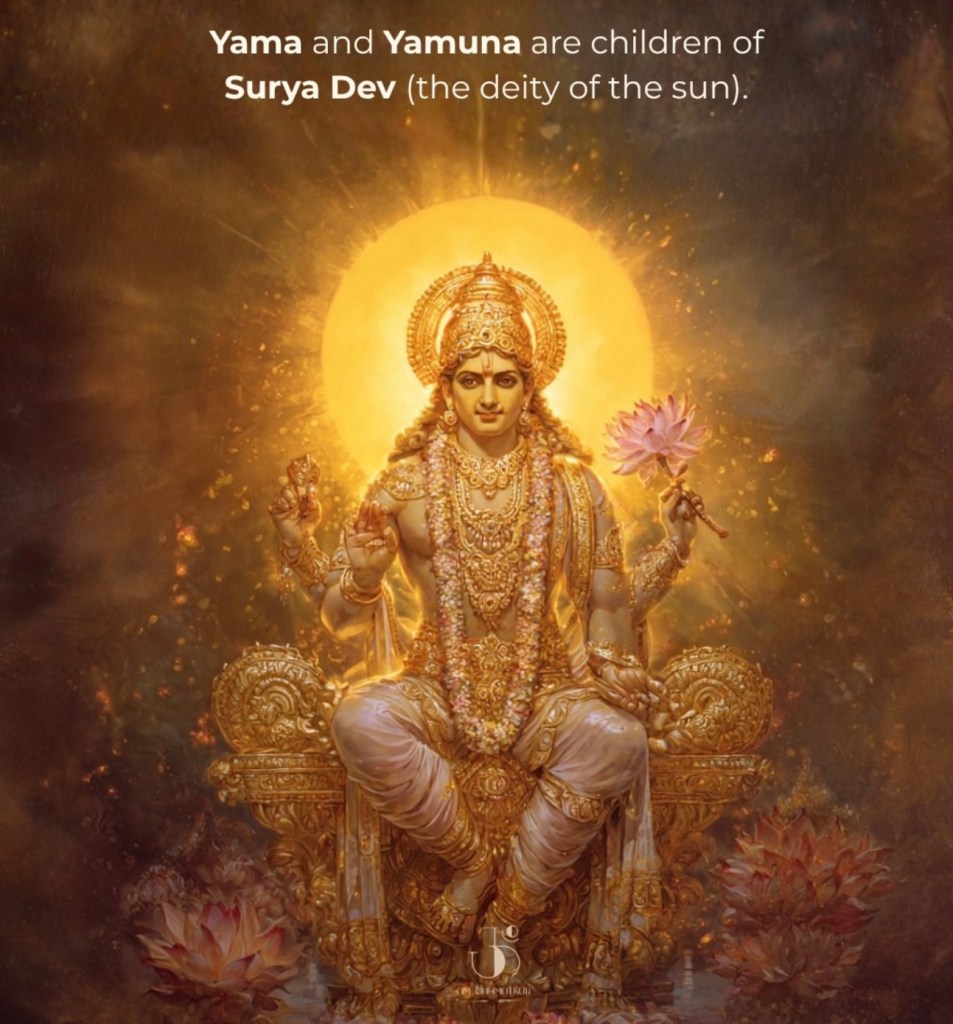
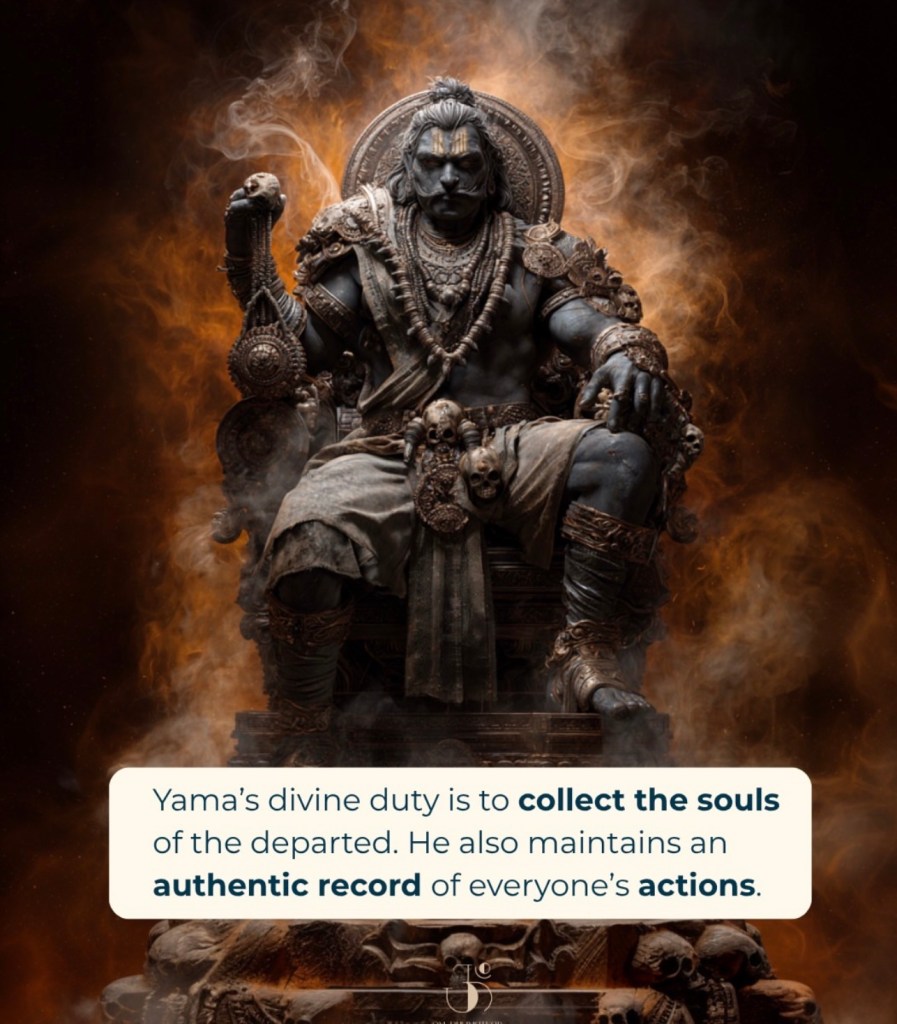
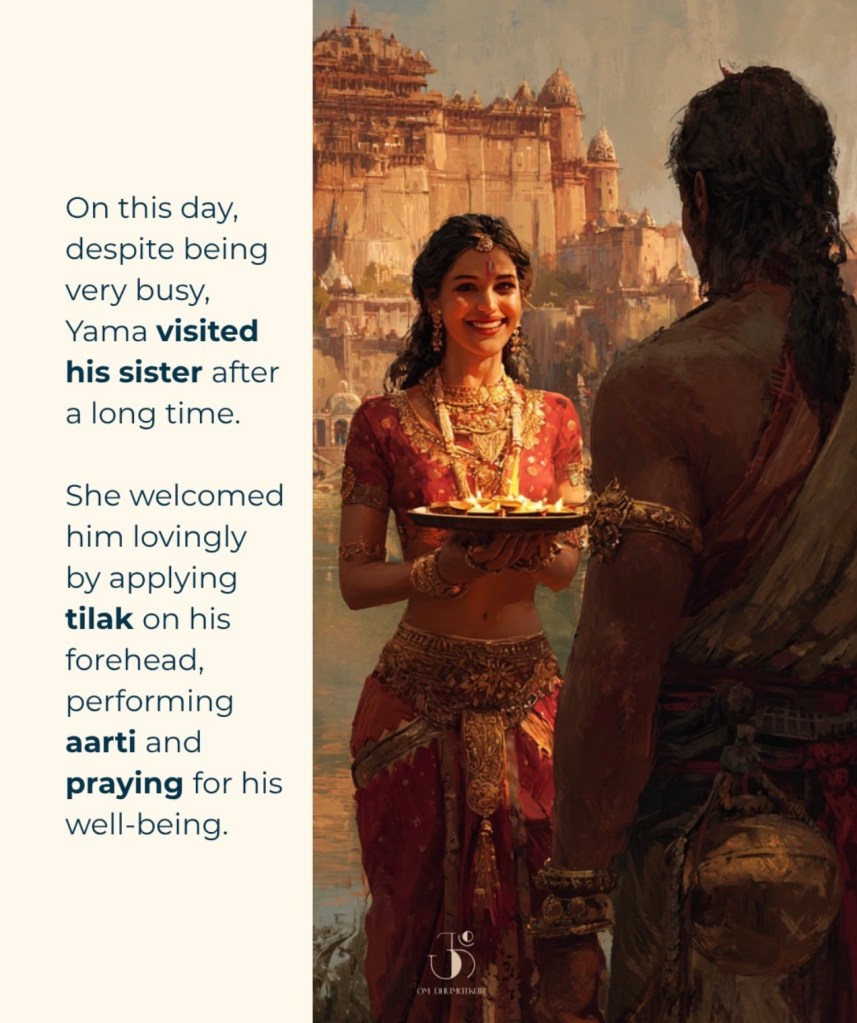
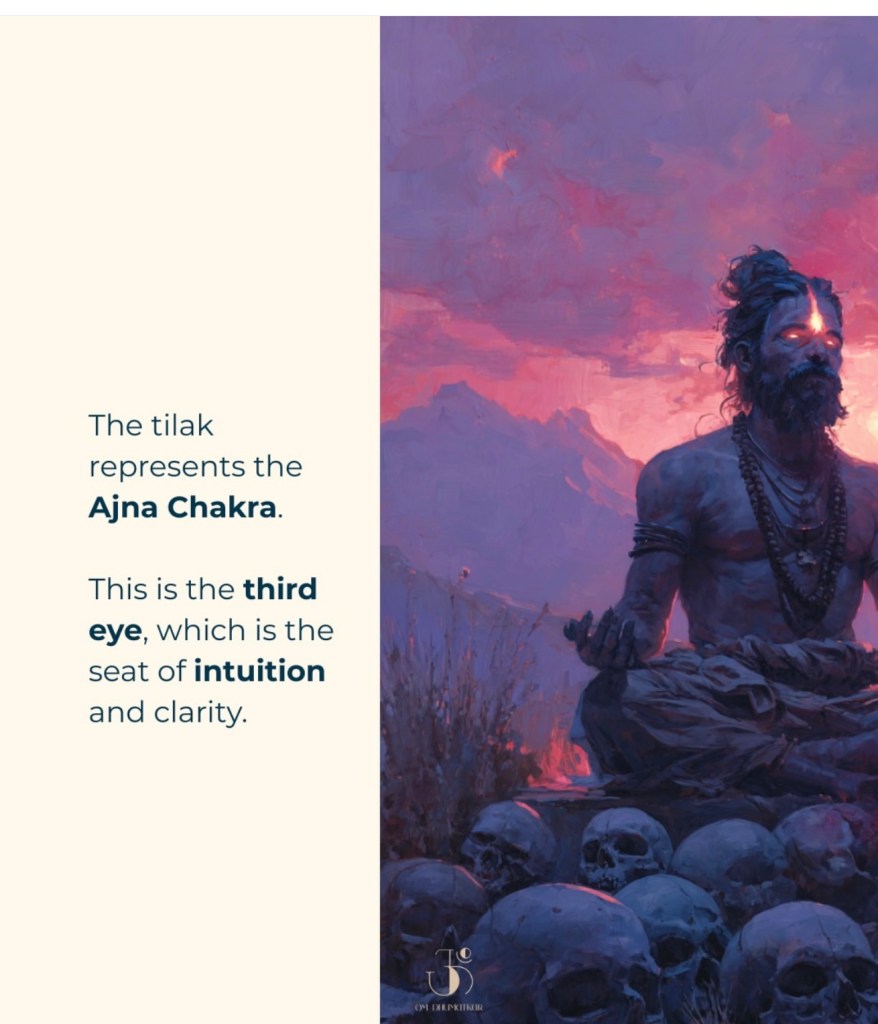
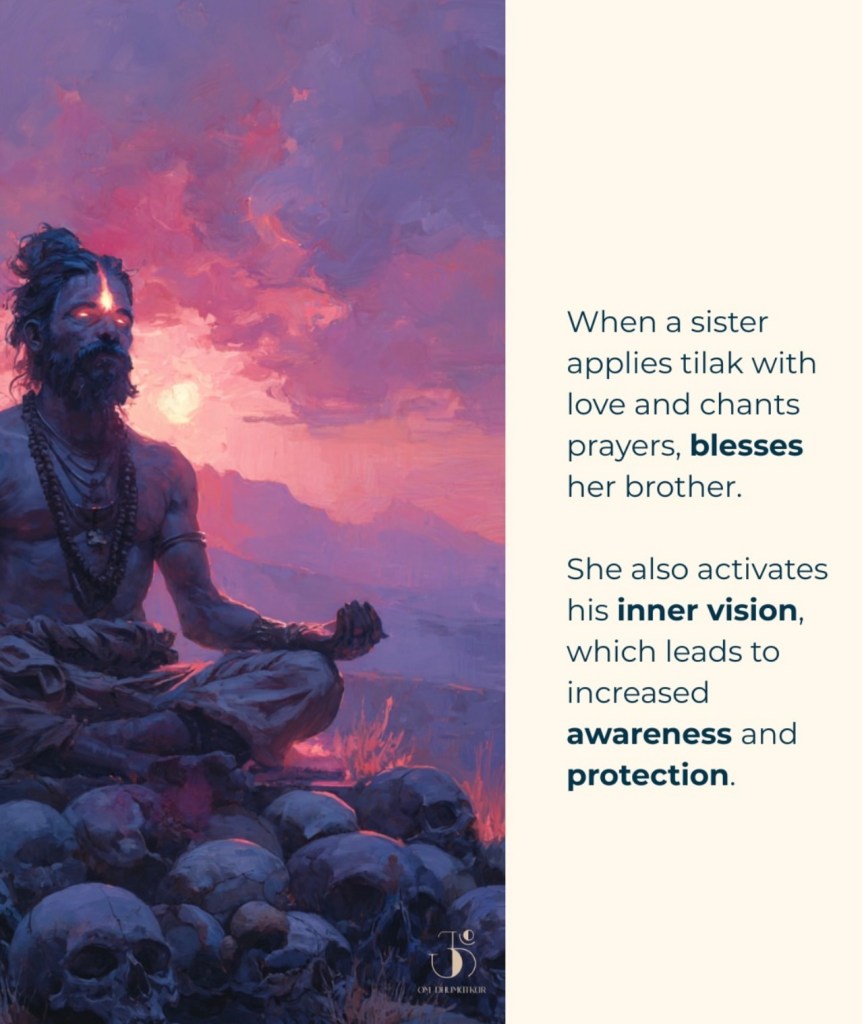
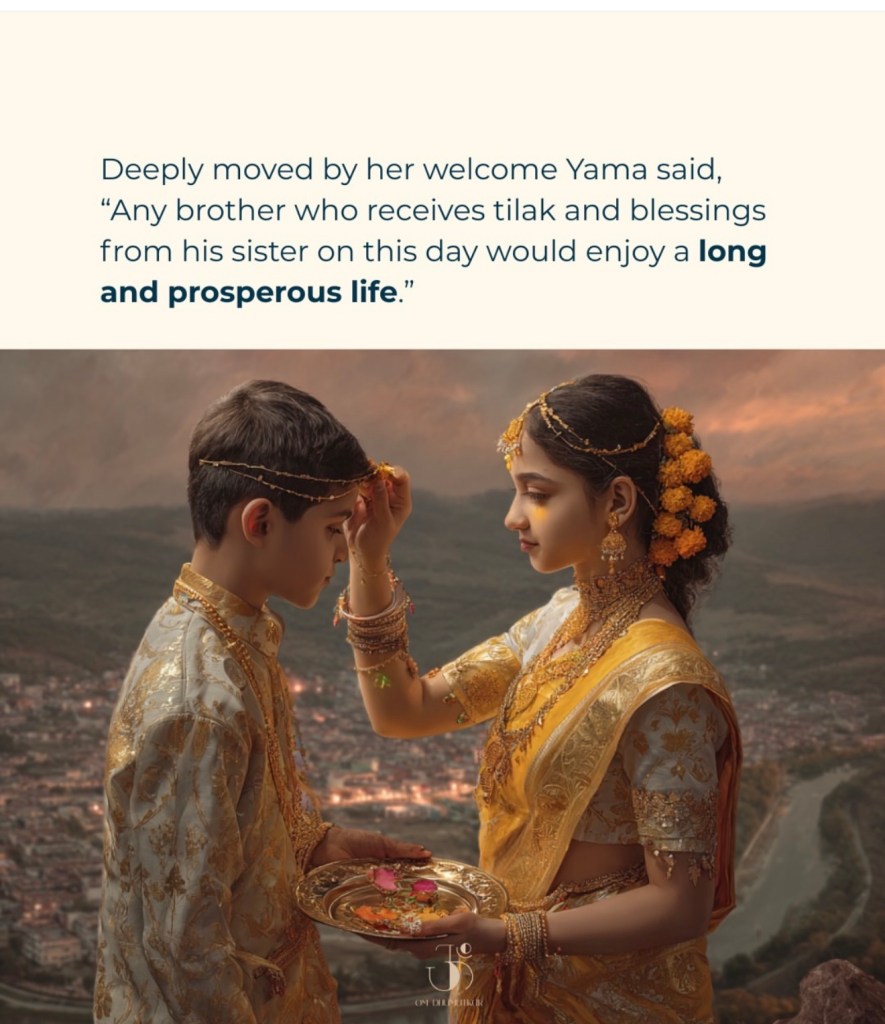
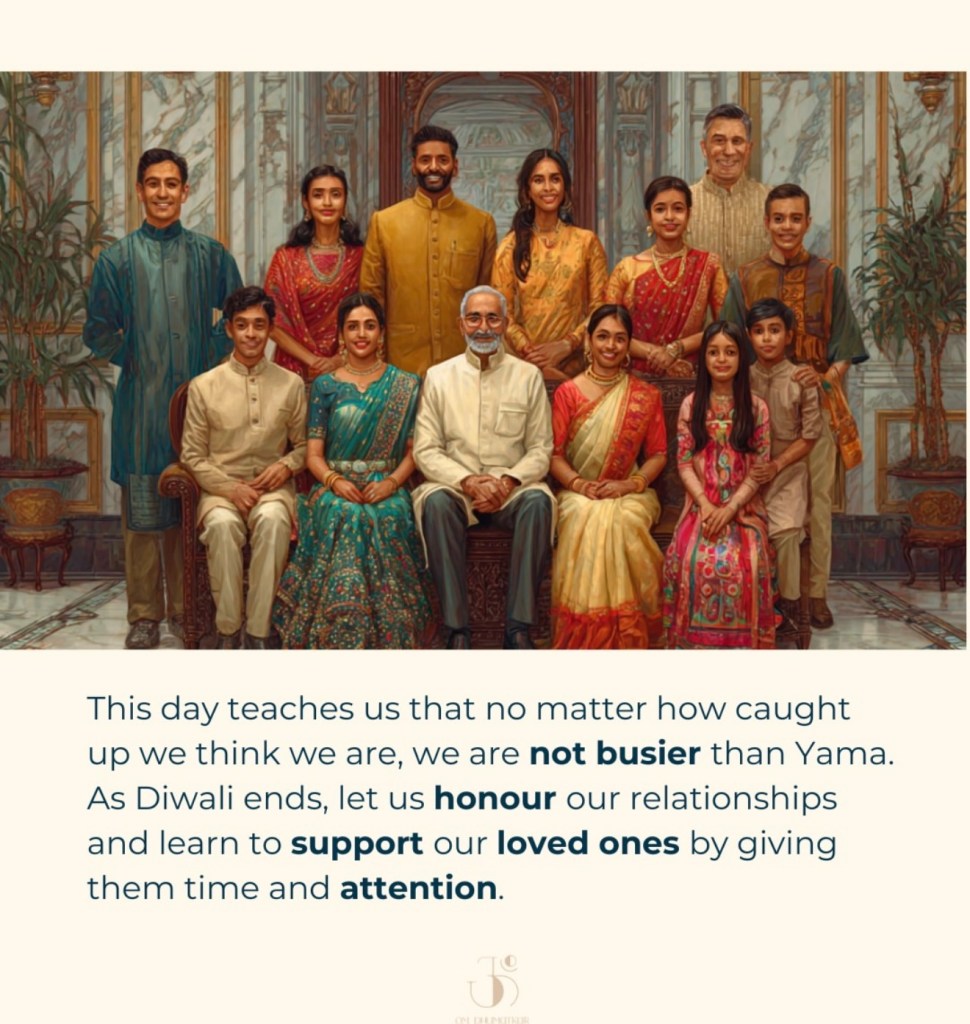
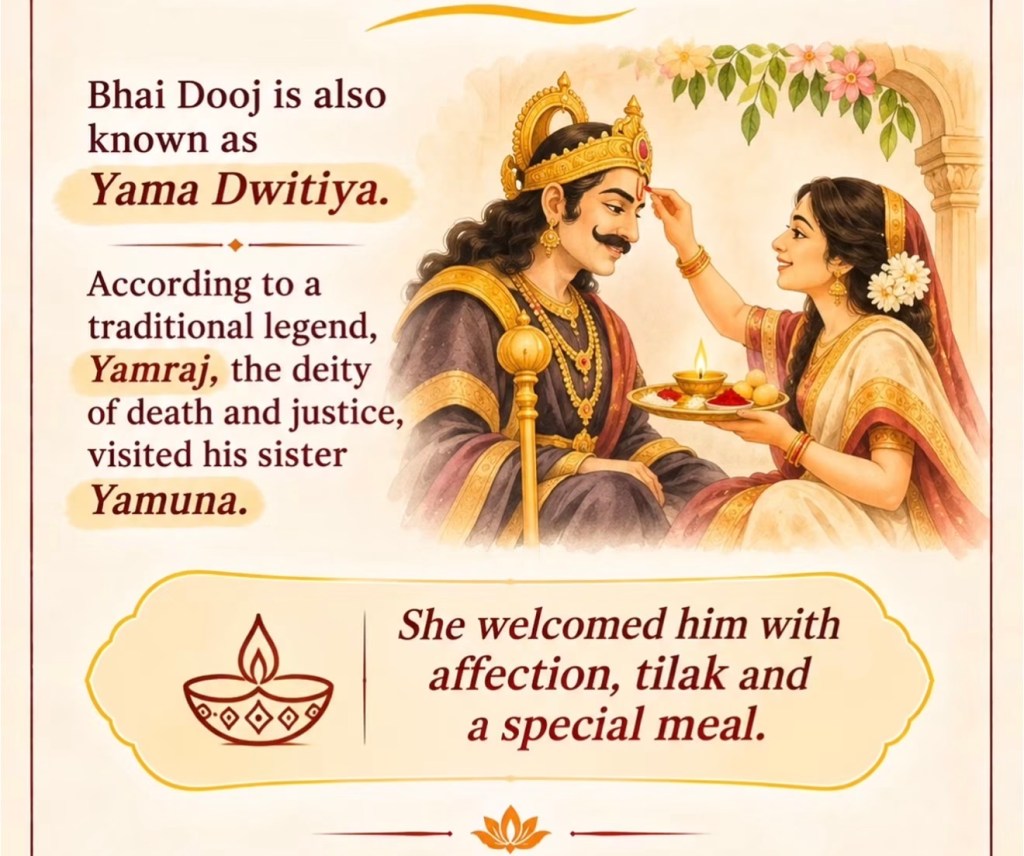
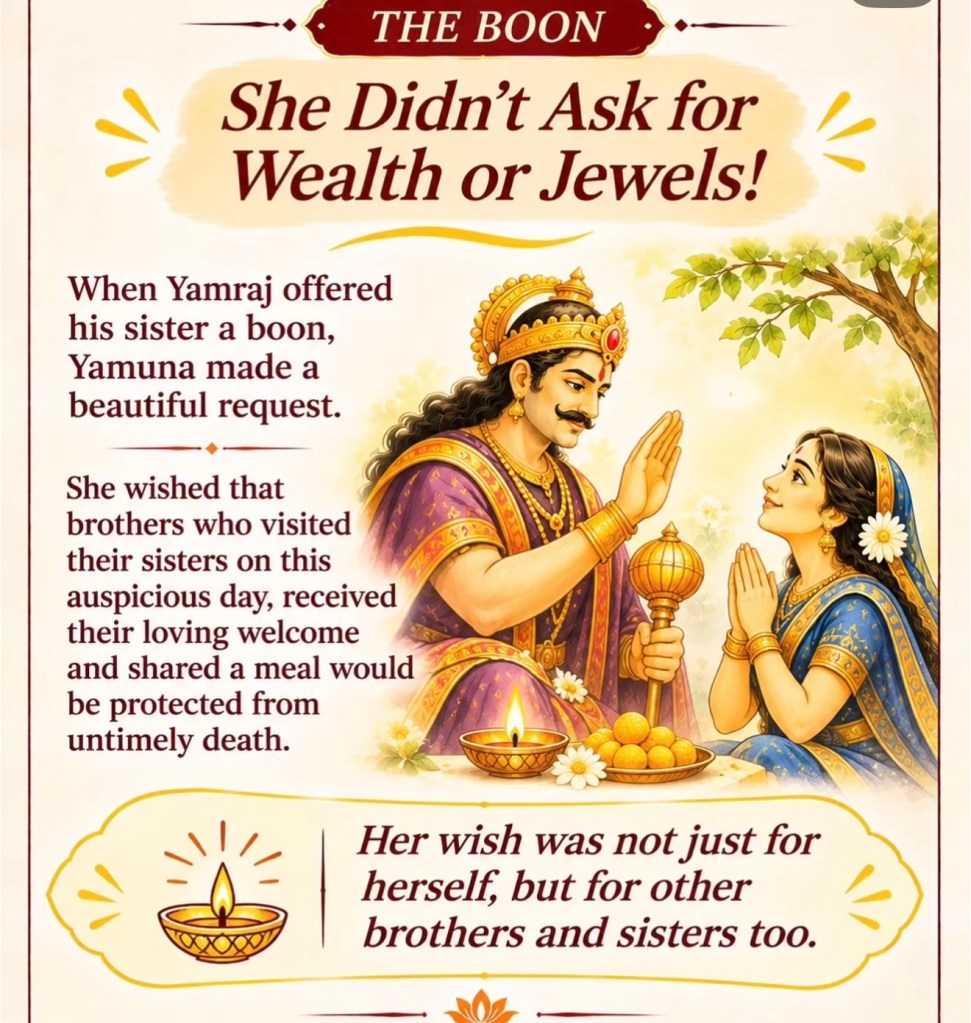
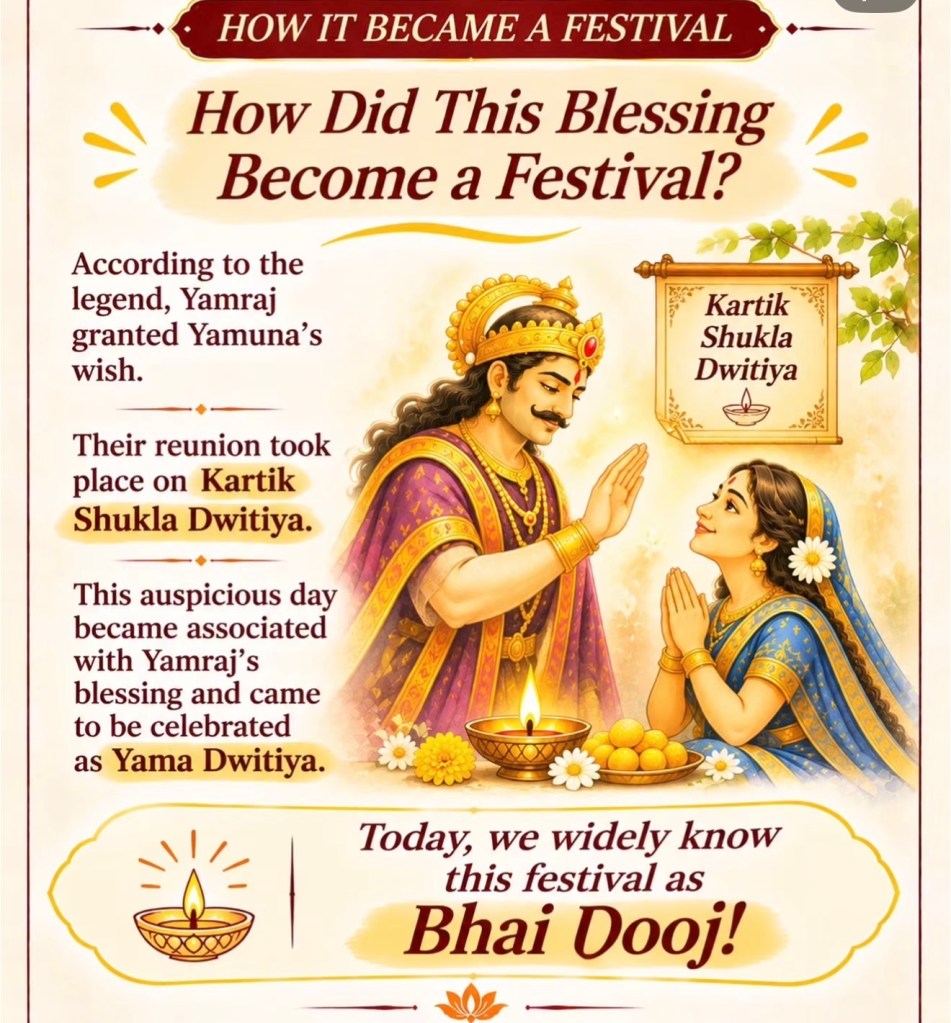
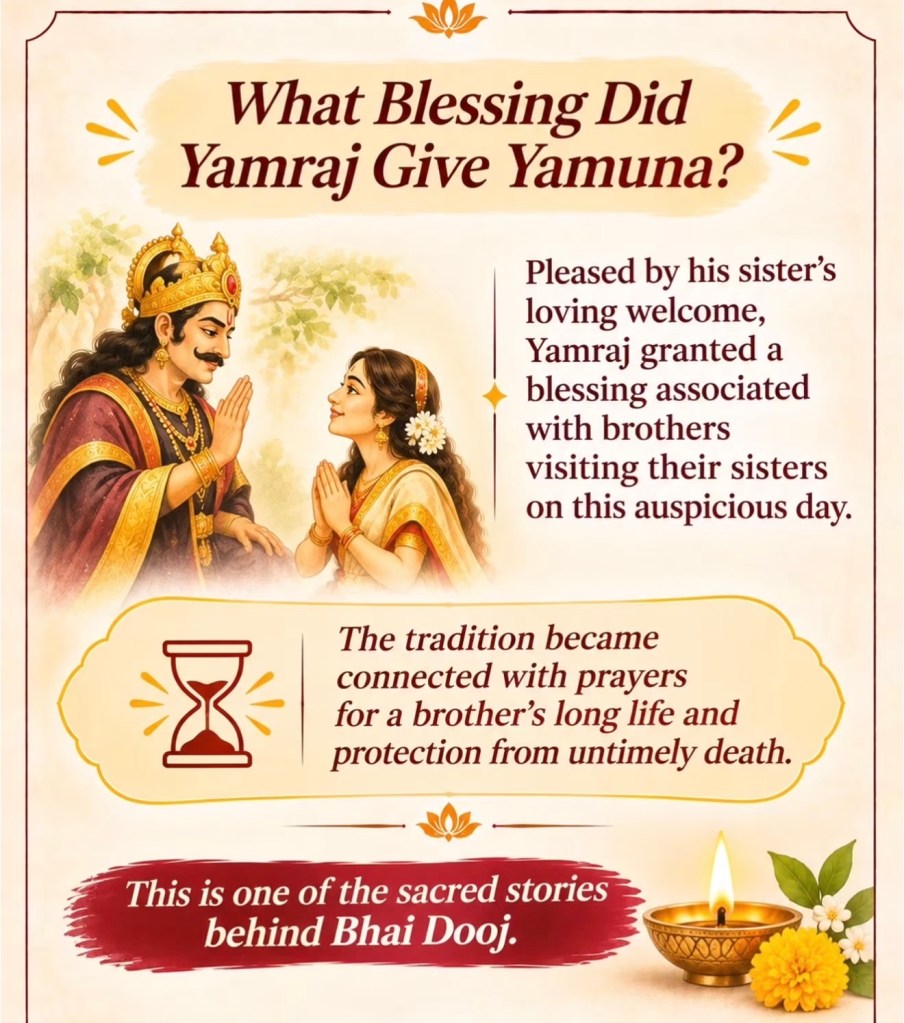
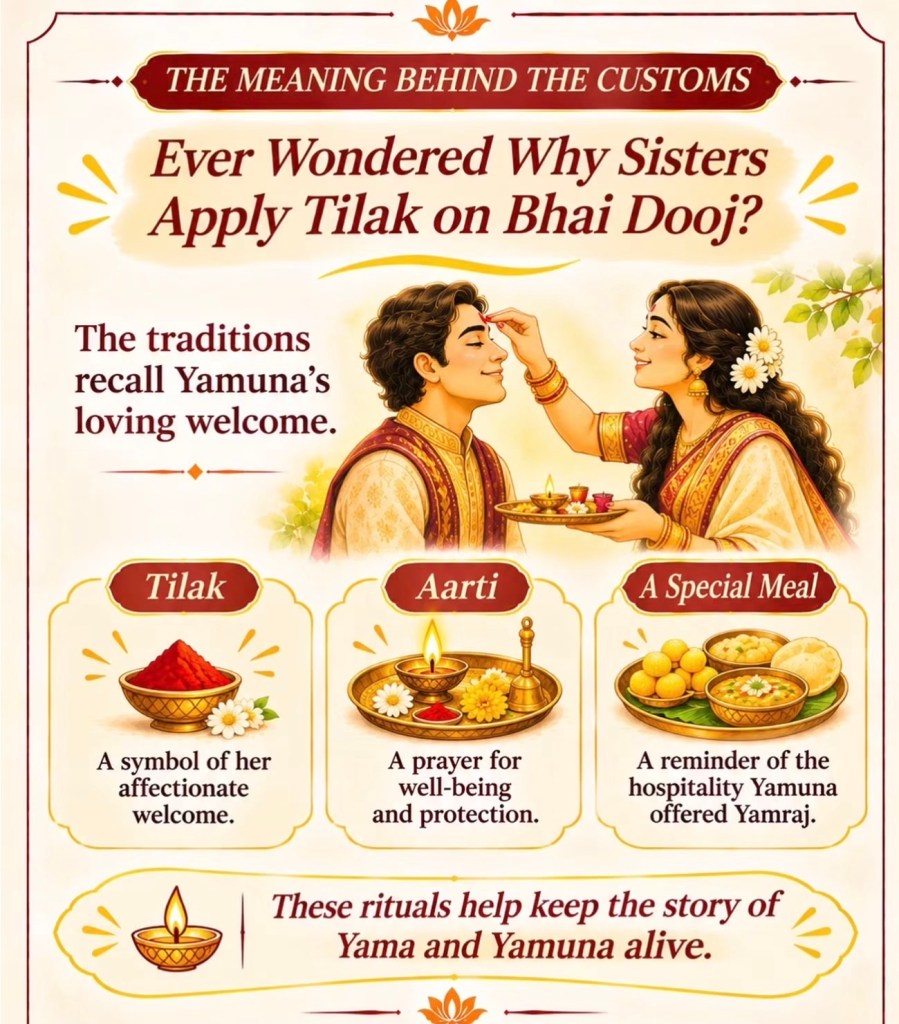
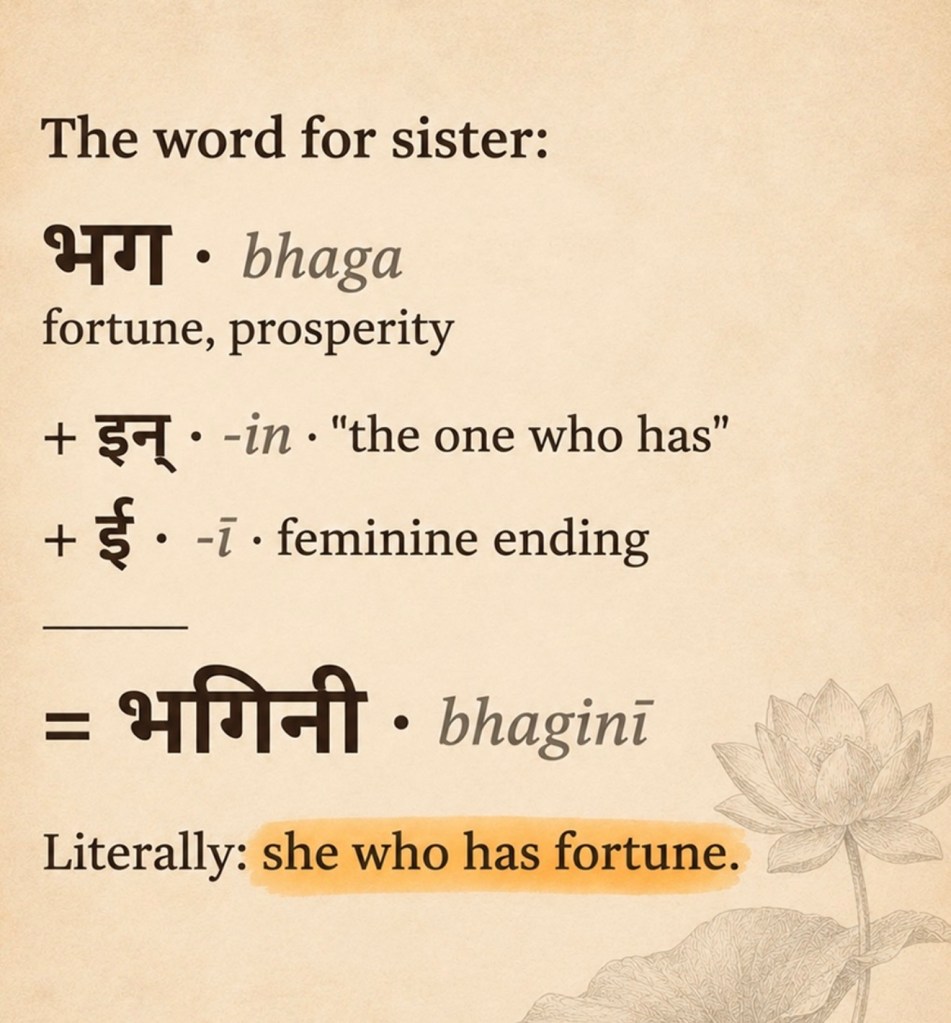
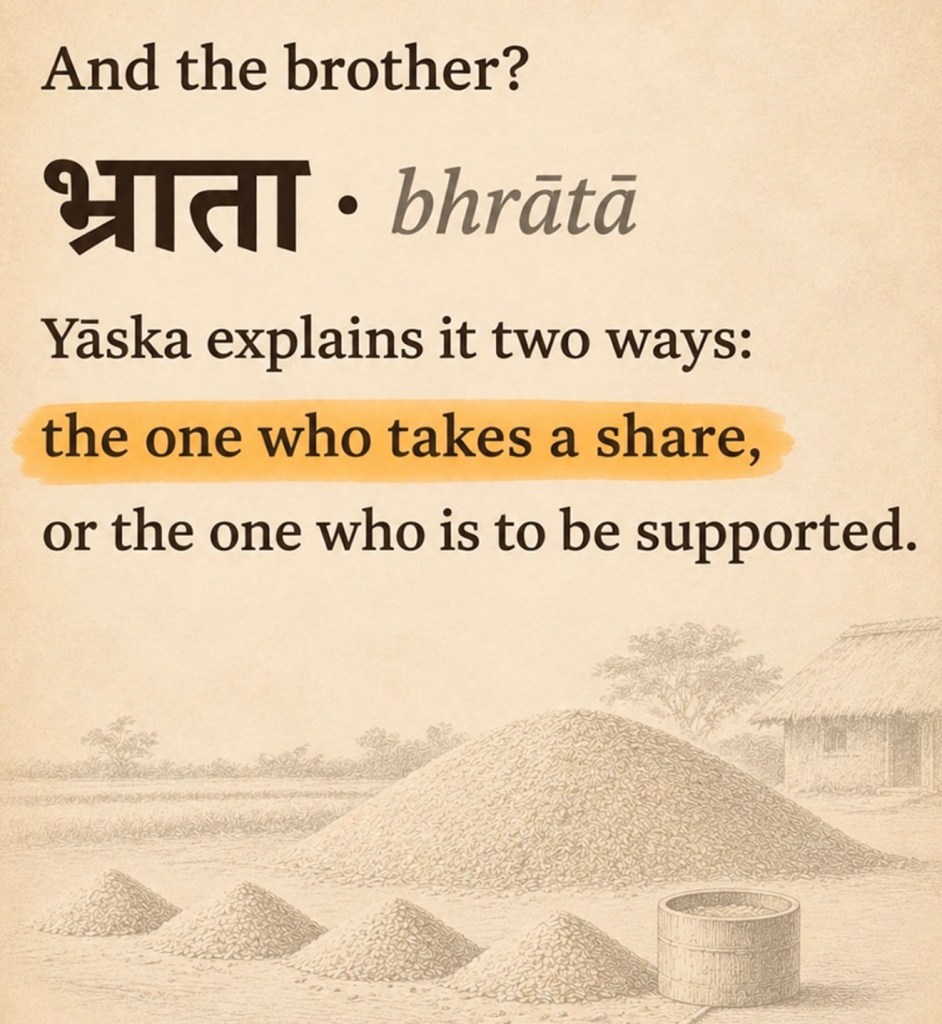
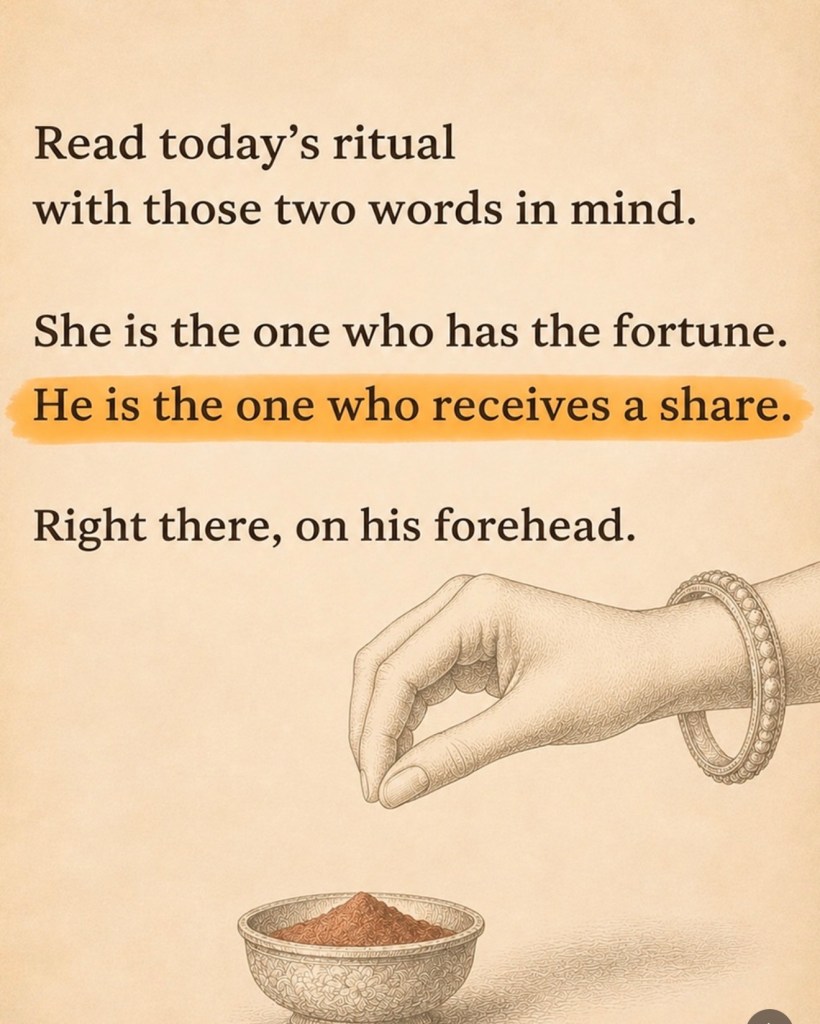
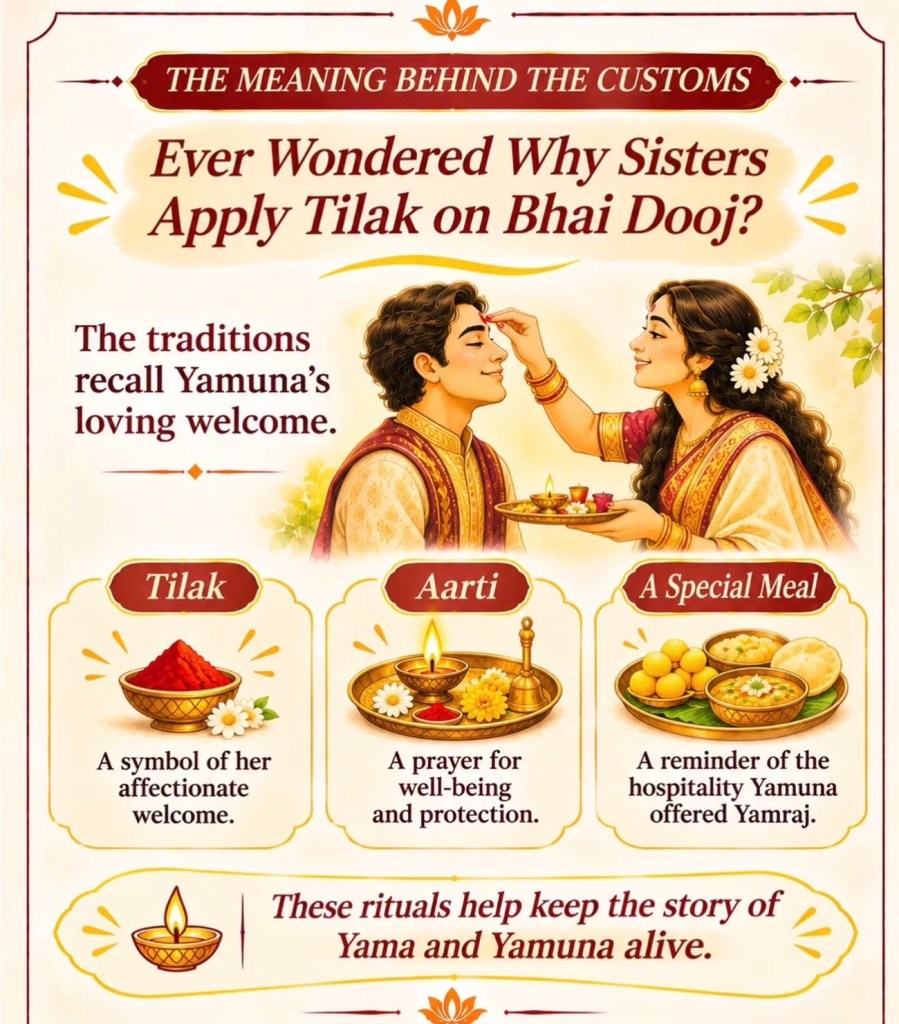
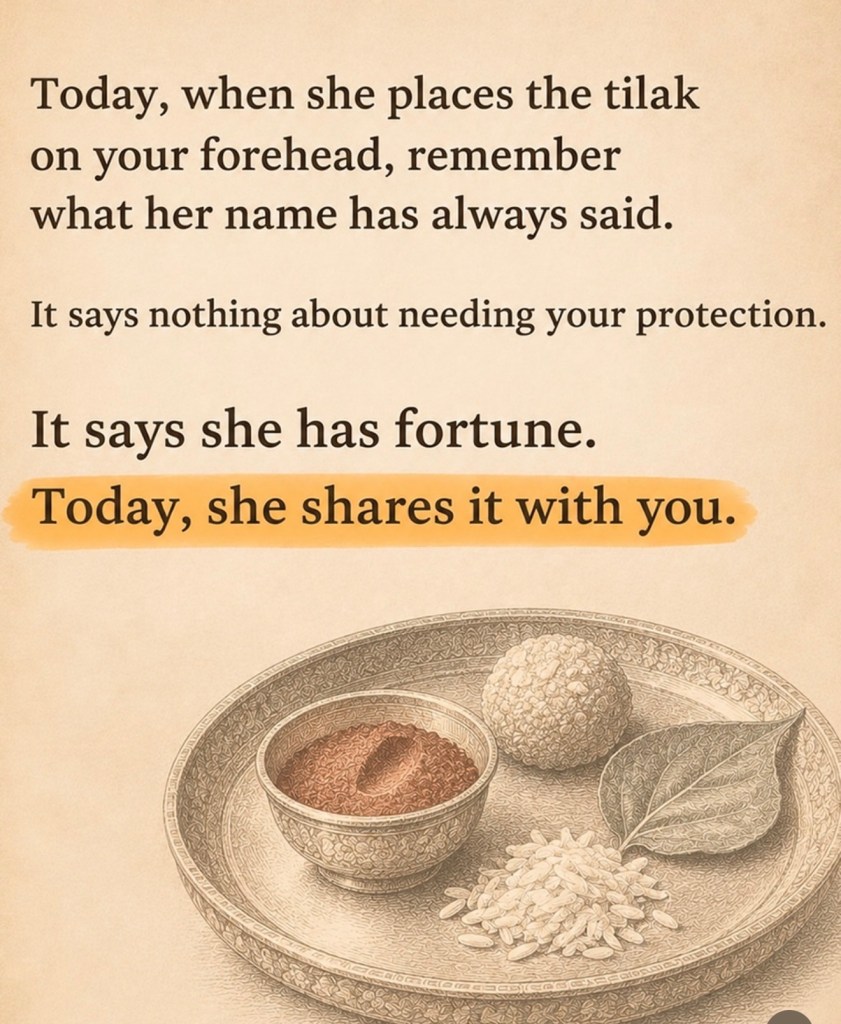
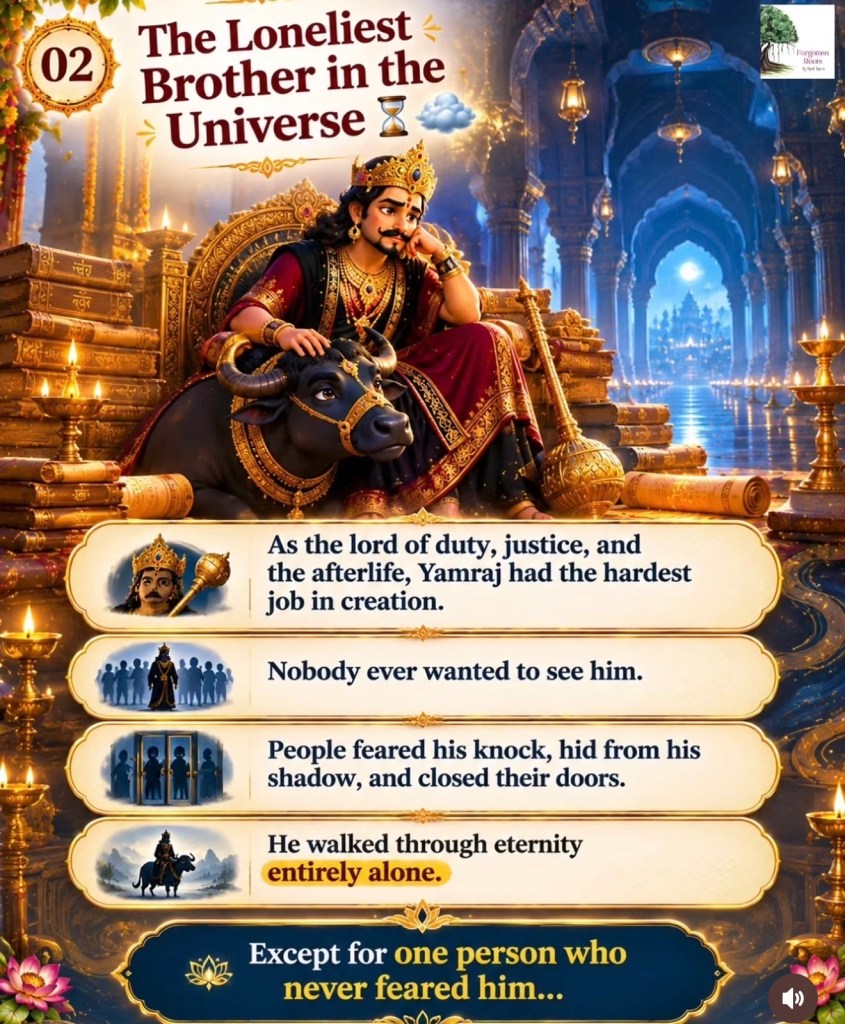
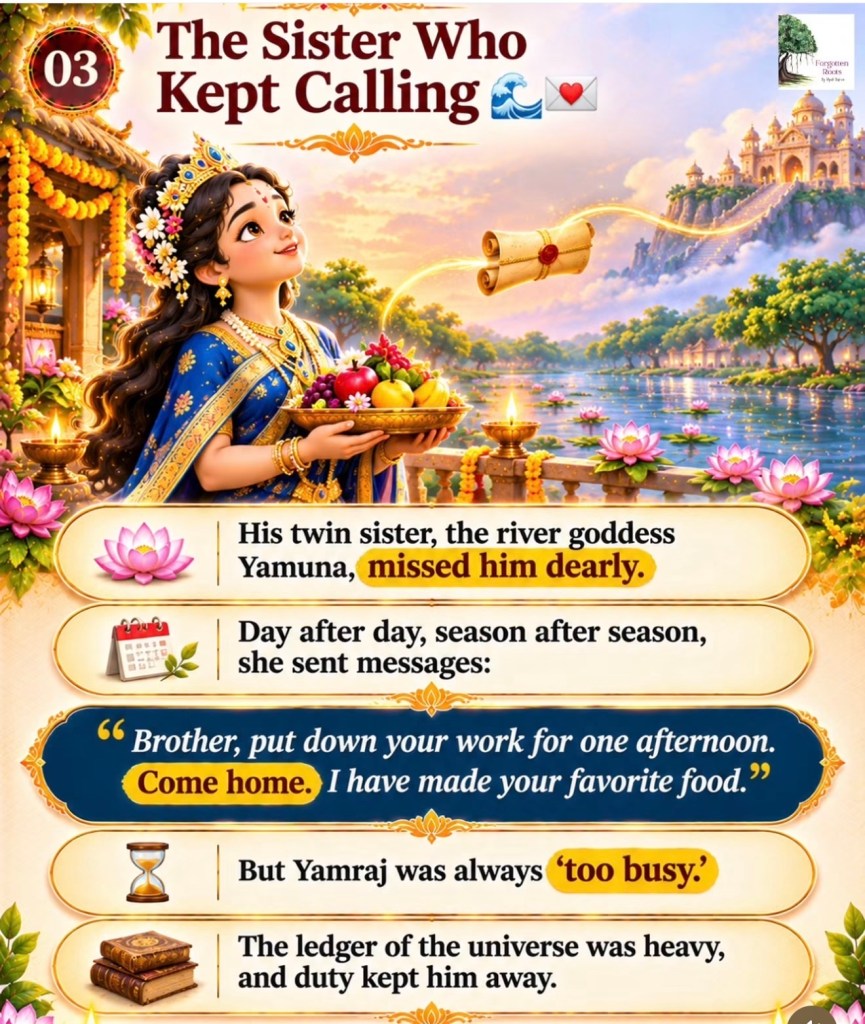
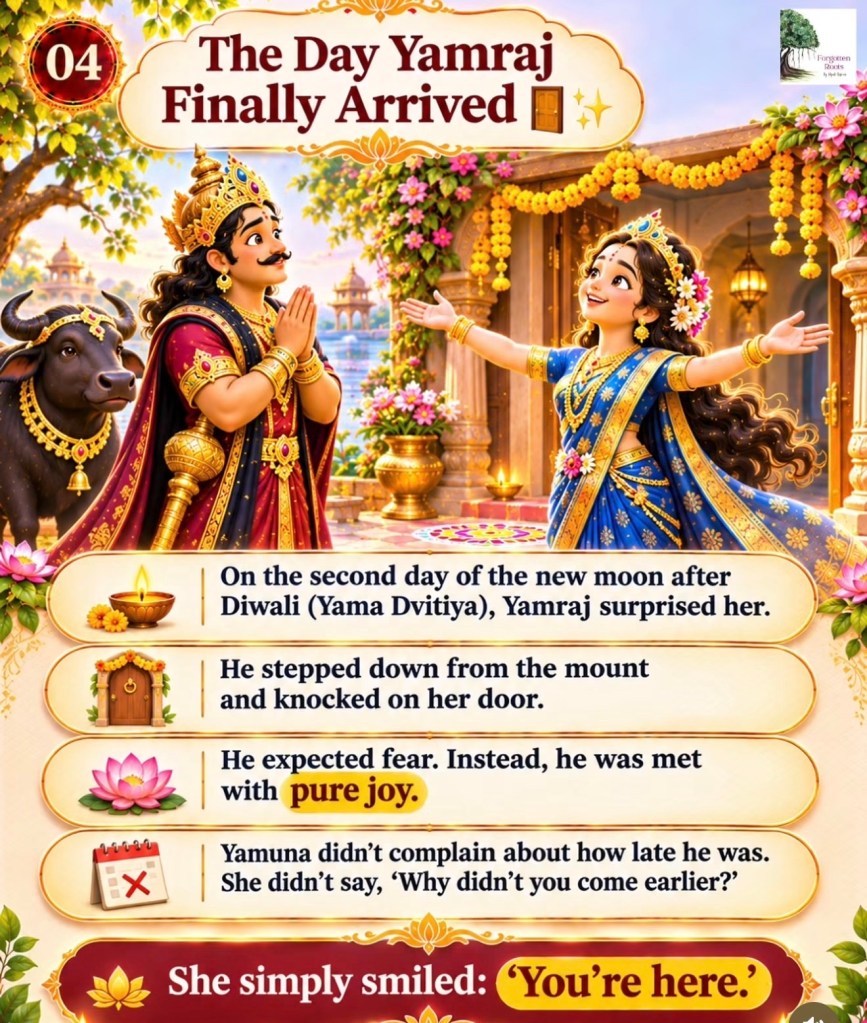
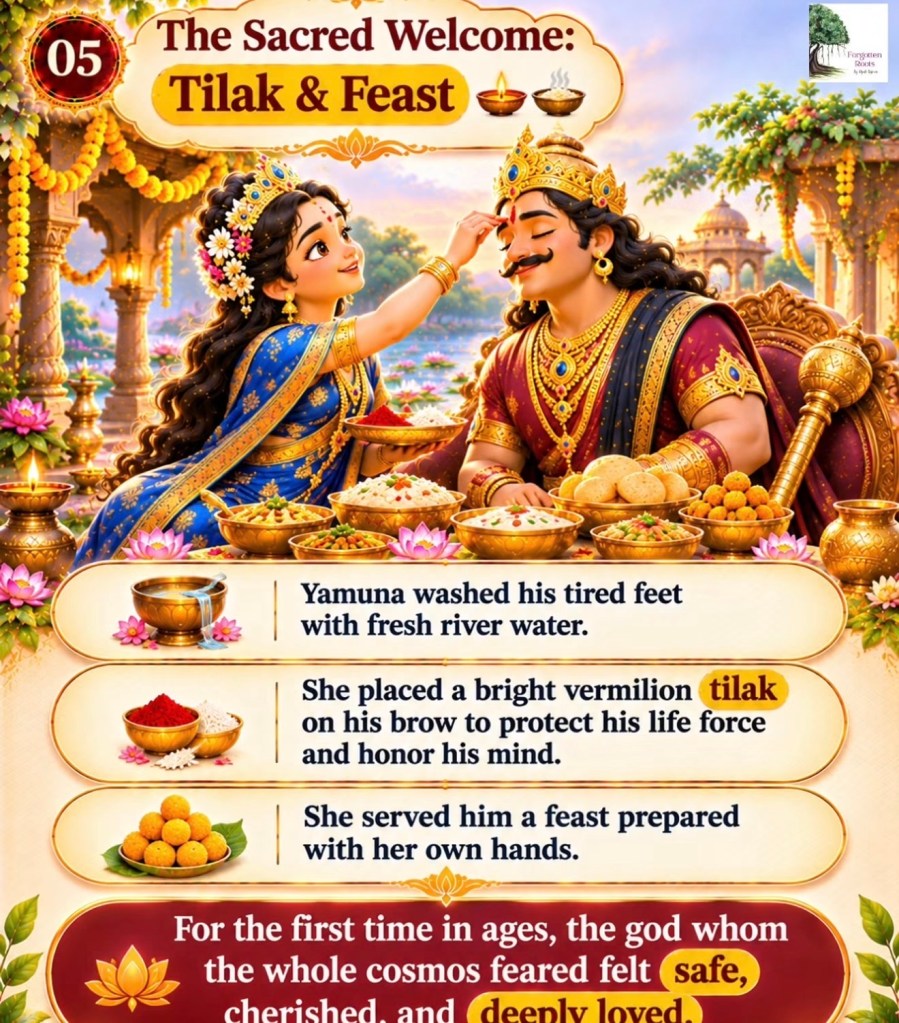
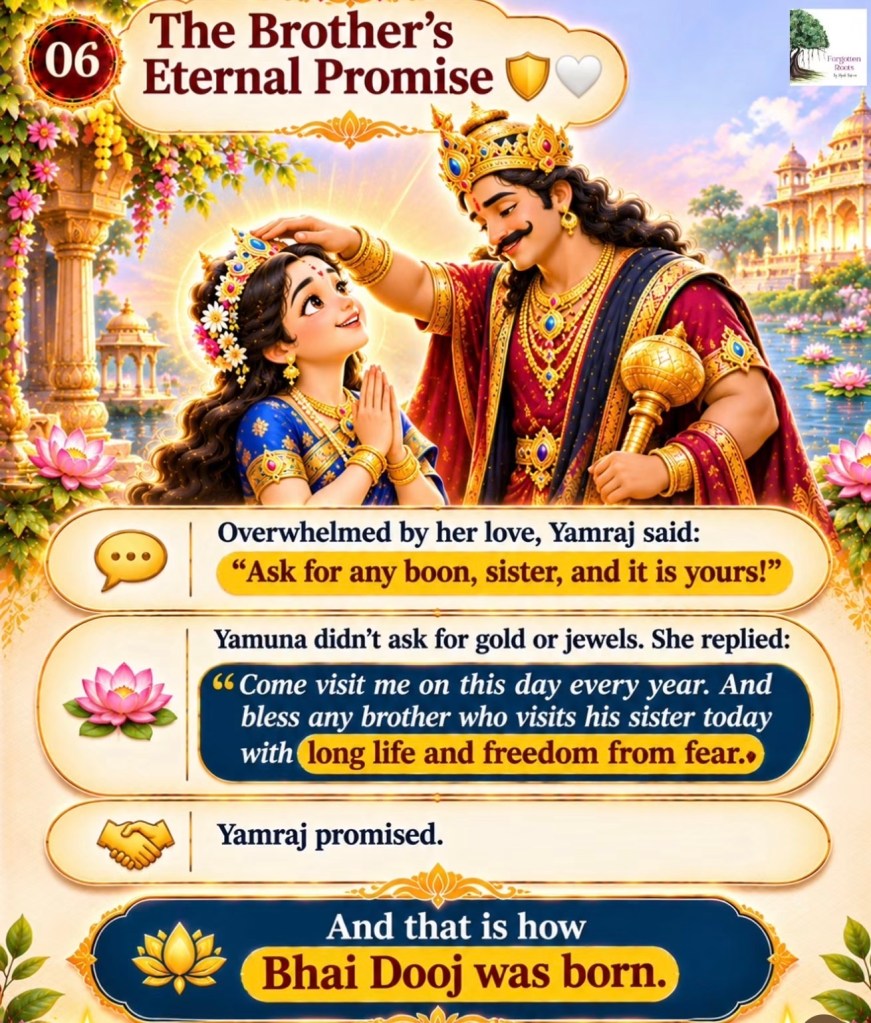
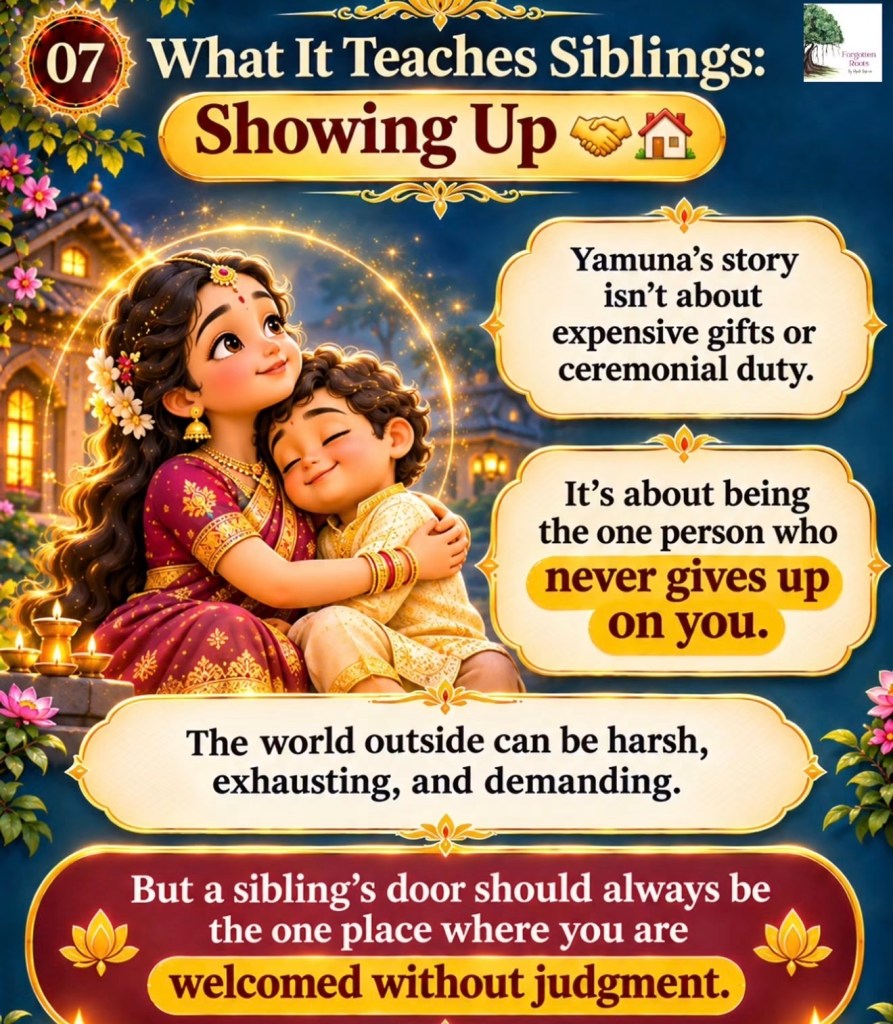
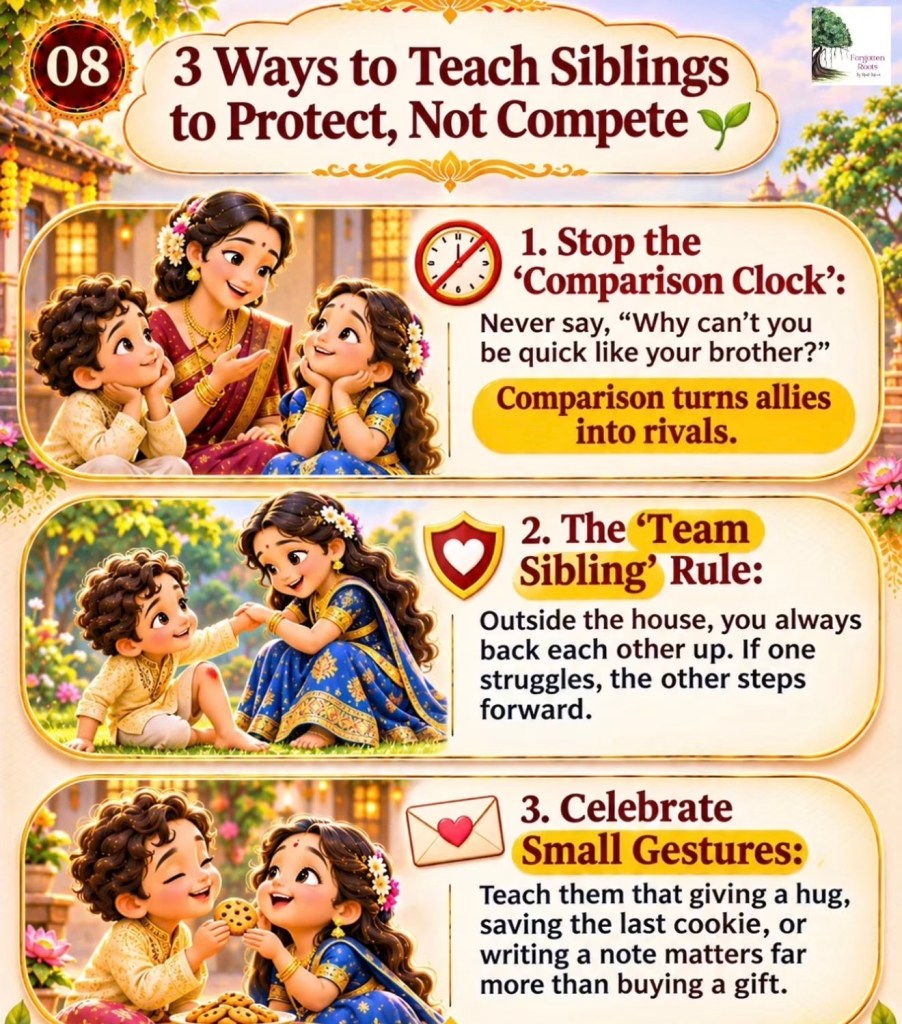
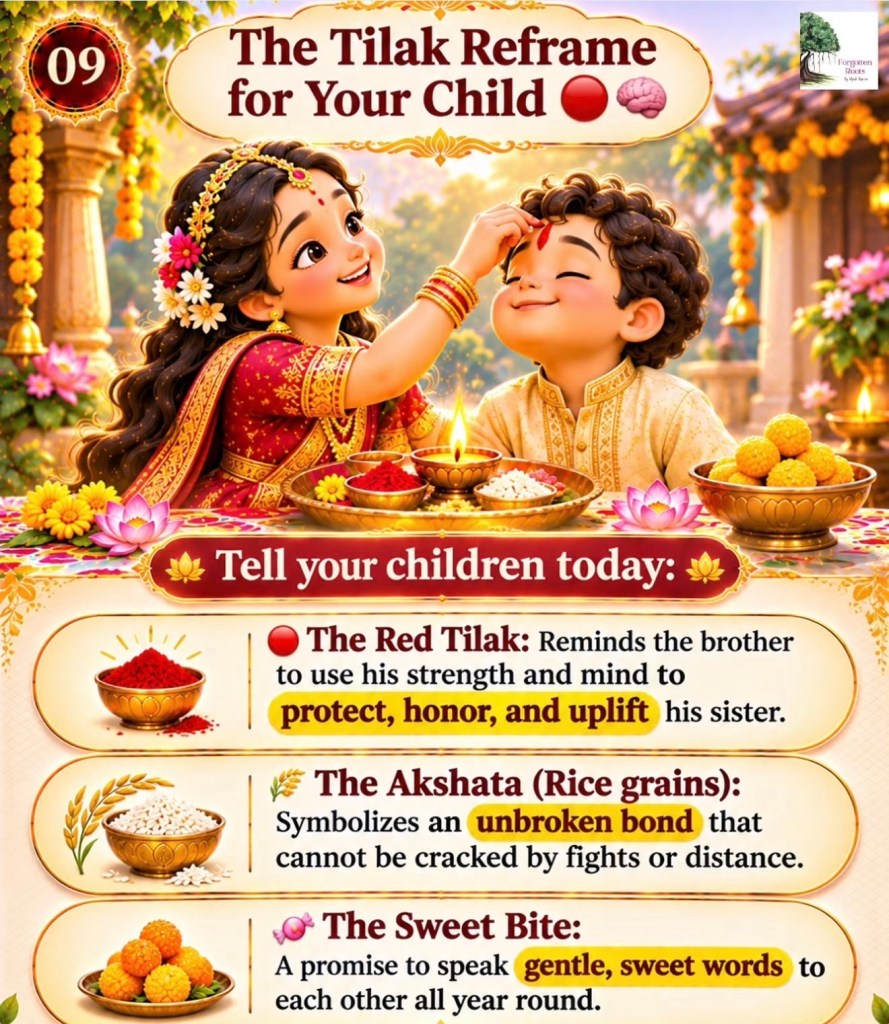
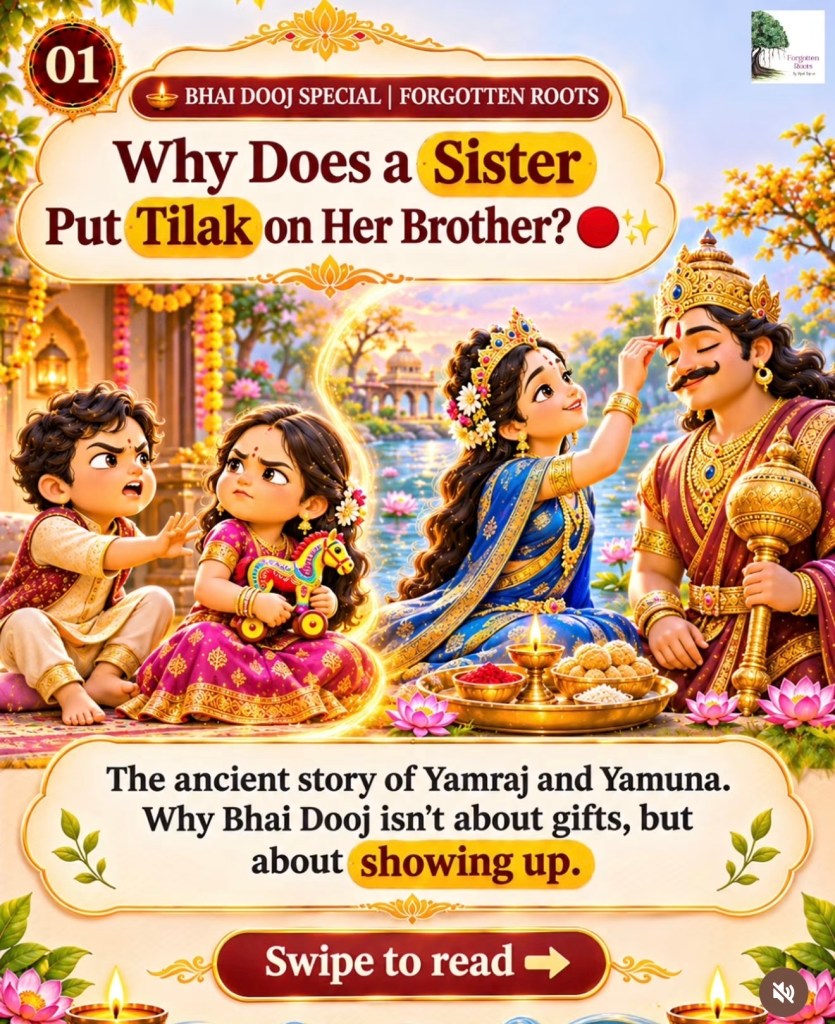
Interesting to see so much being shared about the festival of Bhai Dooj . Sharing some posts with you. Hope it brings some smiles.
Monica Gokaldas


Dear Monica ji,
Your reflection touches upon something profoundly important: the difference between merely inheriting traditions and truly understanding their significance. A tradition may be passed down through generations, but its deeper meaning must be discovered through knowledge, reflection, and conscious participation.
In fact, faith should never be afraid of questions, because genuine understanding strengthens faith rather than diminishes it. When rituals are practised without knowing their purpose, they may gradually become mechanical customs. But when their underlying wisdom is understood, they transform into meaningful expressions of gratitude, love, devotion, and human relationships.
Our ancient spiritual tradition has always recognised the importance of inquiry. The Upanishadic wisdom itself unfolds through questions, dialogue, contemplation, and the earnest search for truth. Questioning with humility is not disrespect; it is often the beginning of genuine understanding.
Festivals, therefore, are not merely occasions for rituals and celebrations. They are living bridges connecting generations, preserving cultural memory, nurturing relationships, and transmitting values that might otherwise fade with time.
I particularly appreciate your thought about children and grandchildren gaining access to this knowledge. We must not merely leave our younger generations a collection of customs; we must also help them understand the wisdom, compassion, and human values concealed within those customs.
A tradition becomes truly eternal not when it is followed unquestioningly, but when every generation discovers its meaning anew and passes its wisdom forward.
A thoughtful and beautiful reflection, Monica ji.
LikeLiked by 1 person
Vijay Ji,
I am so humbled by your feedback to the post.
Sanatan has always recognized the inquiring minds- it is true. The issue comes up when under the guise of respect answers aren’t provided.
I have always questioned and was often told off by my in laws that I am being disrespectful to them by asking questions instead of just going with the flow of things. Hence when children ask me about a certain practice I am sometimes at a loss due to my own ignorance.
Your input is indeed valuable and I agree with all that you have written. We are moving in the right direction, following eternal practices in an informed manner.
LikeLiked by 1 person