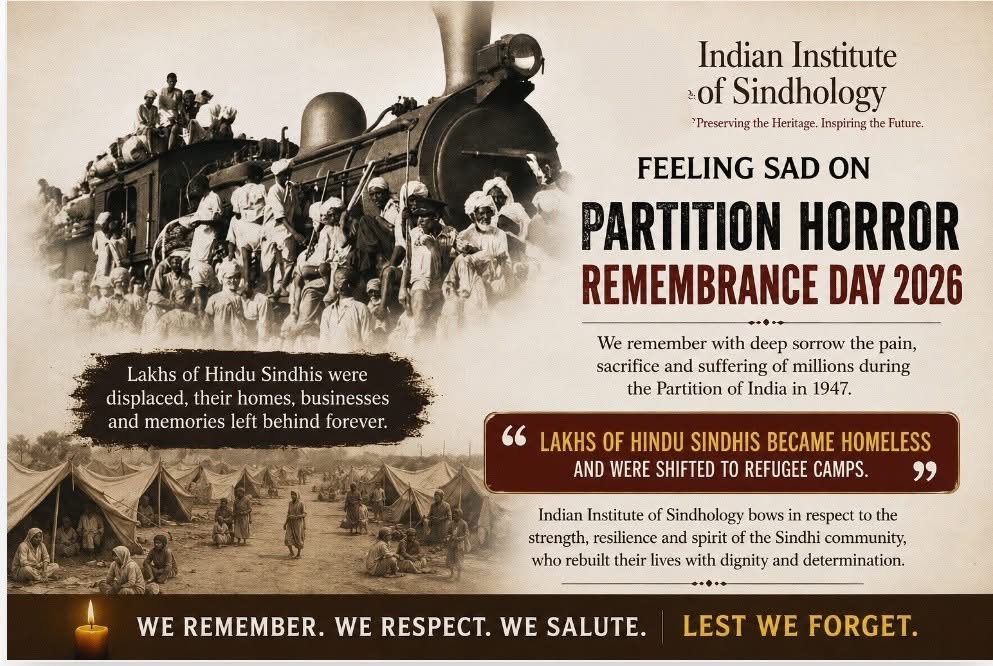
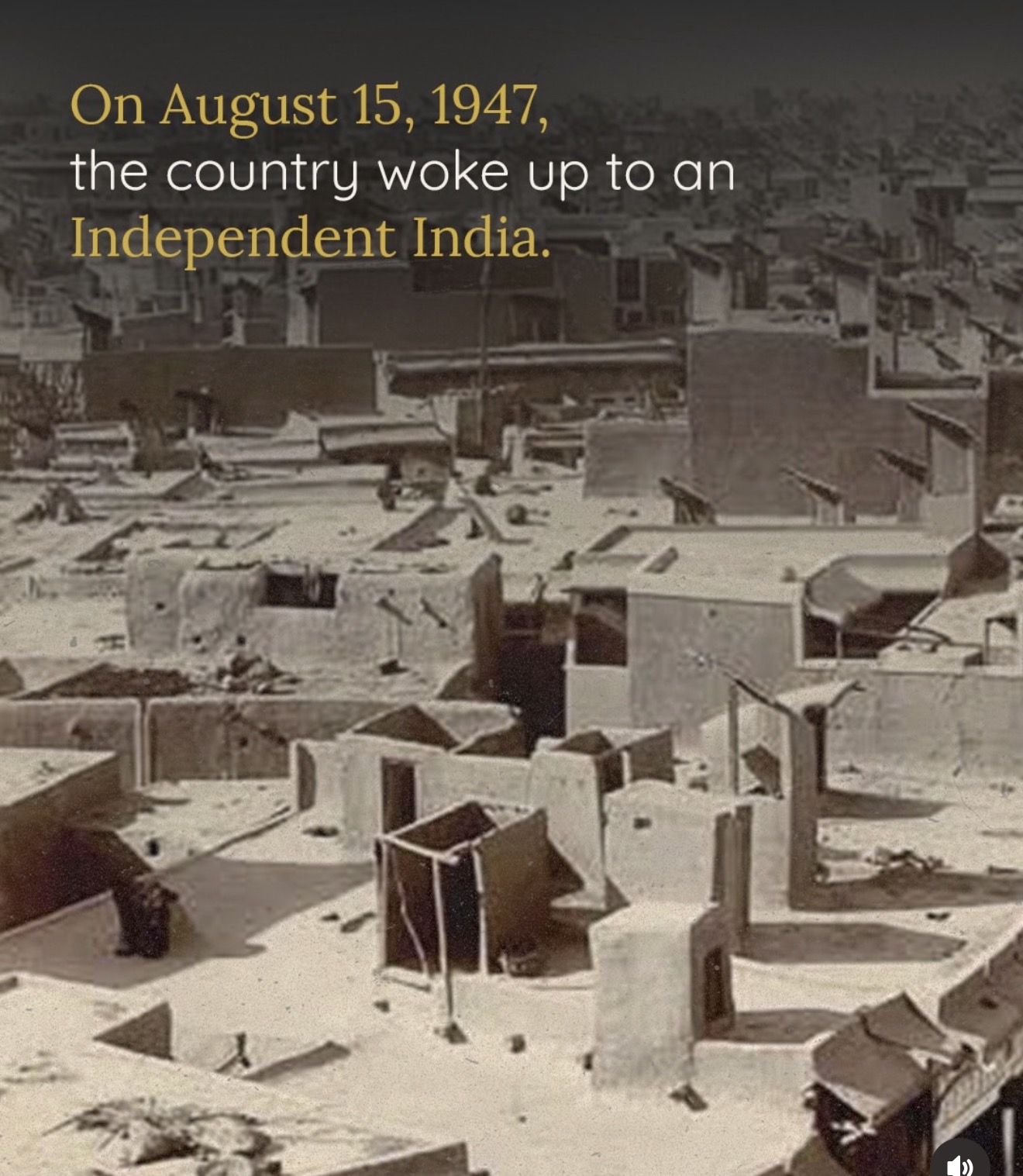
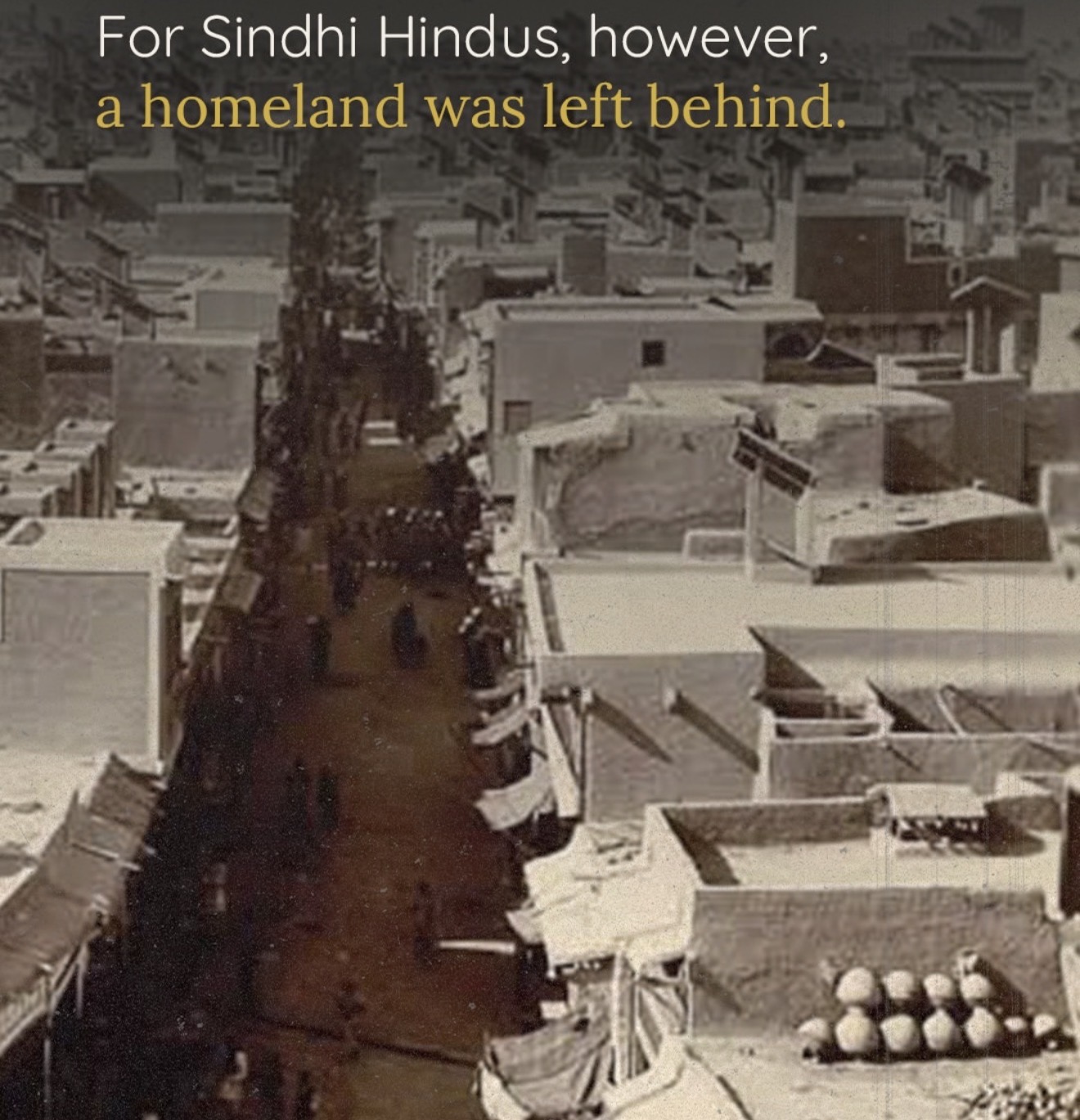
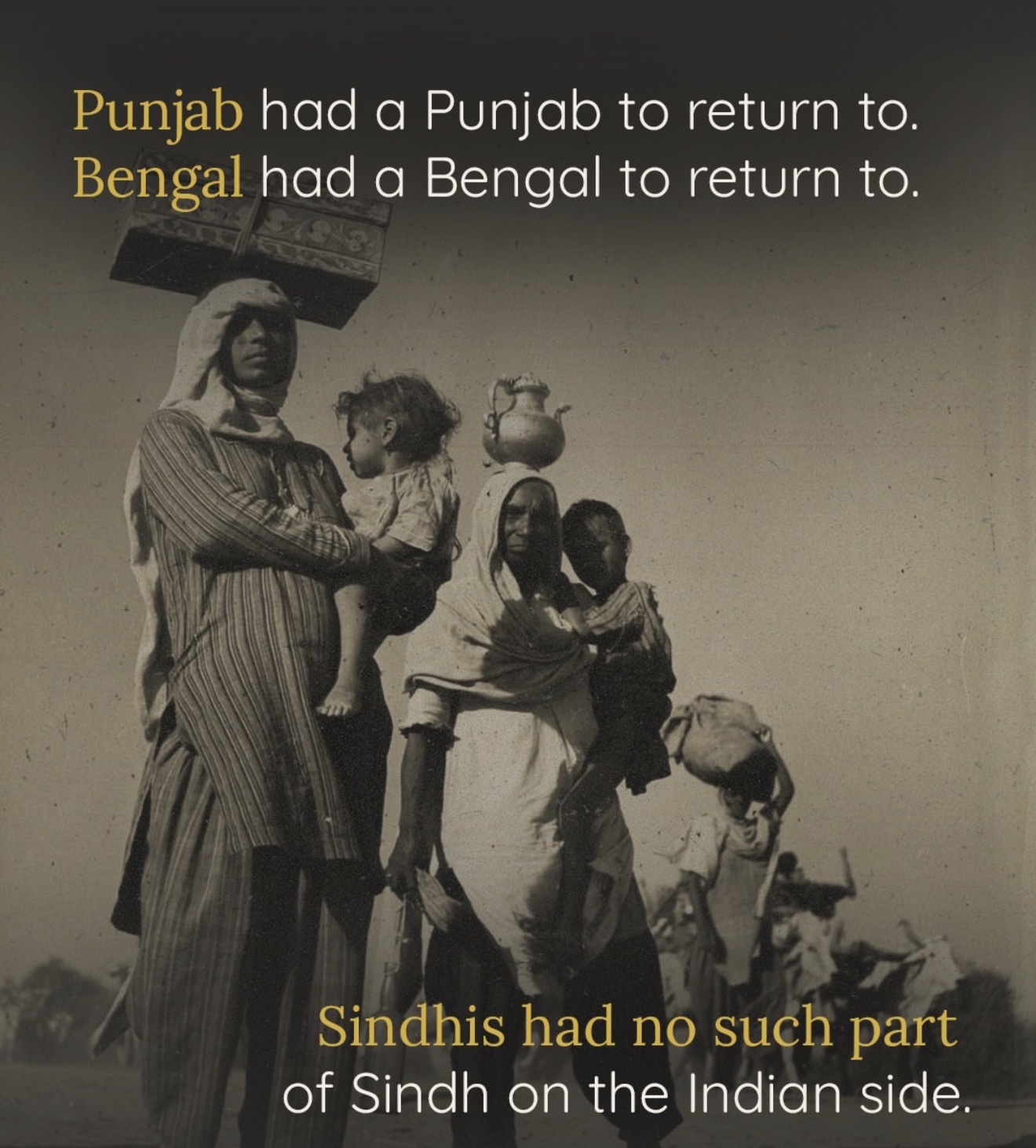
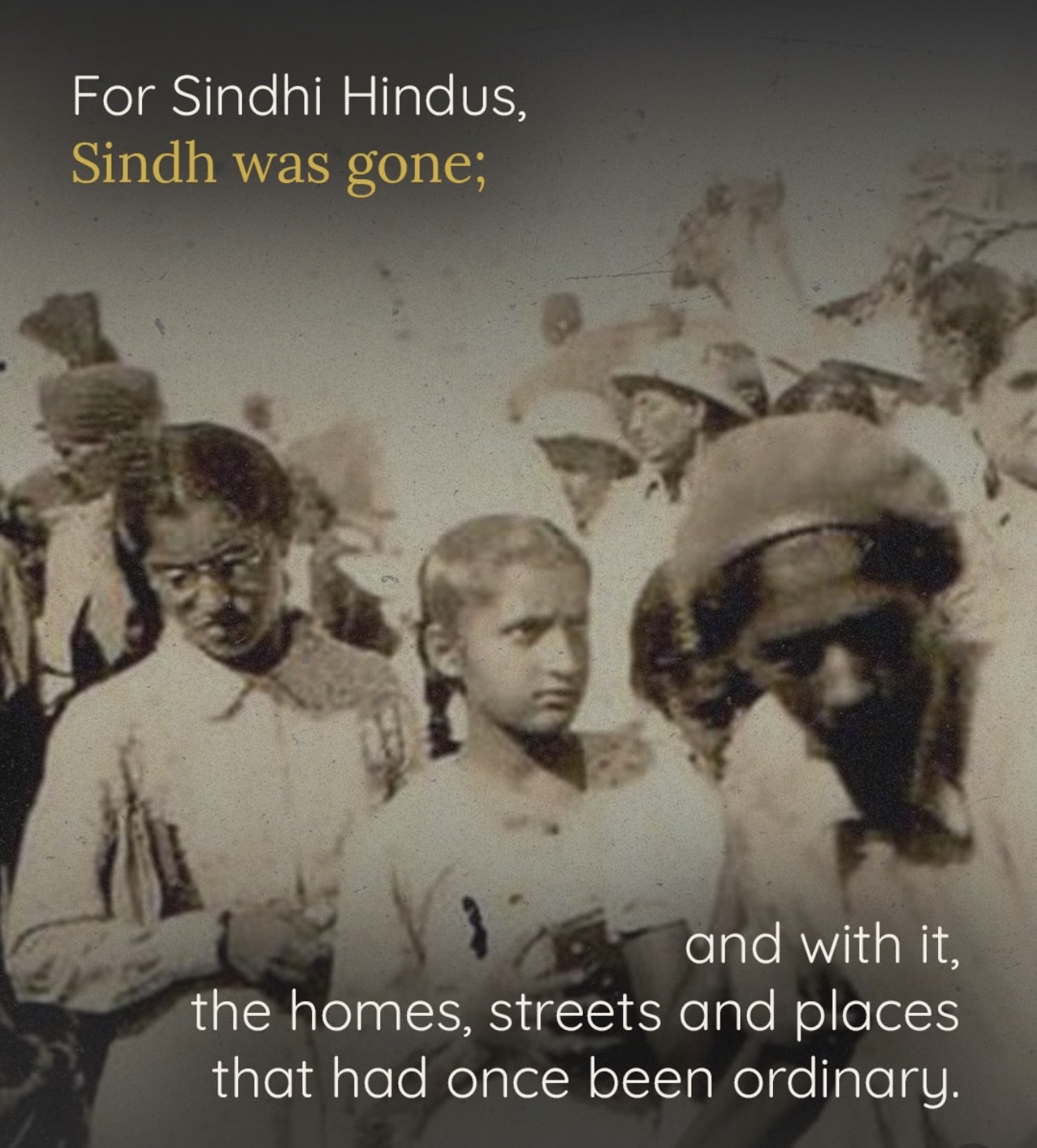
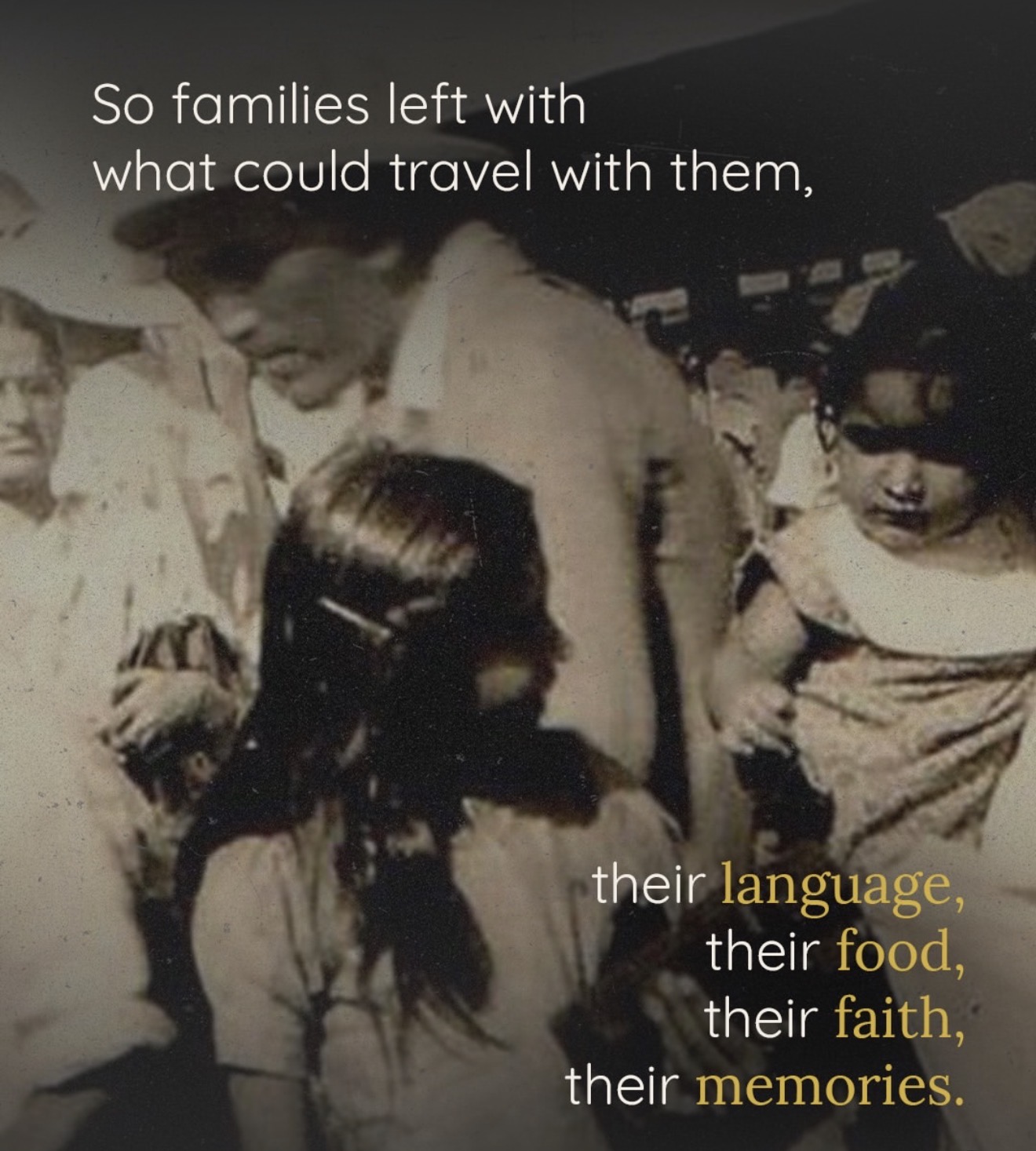
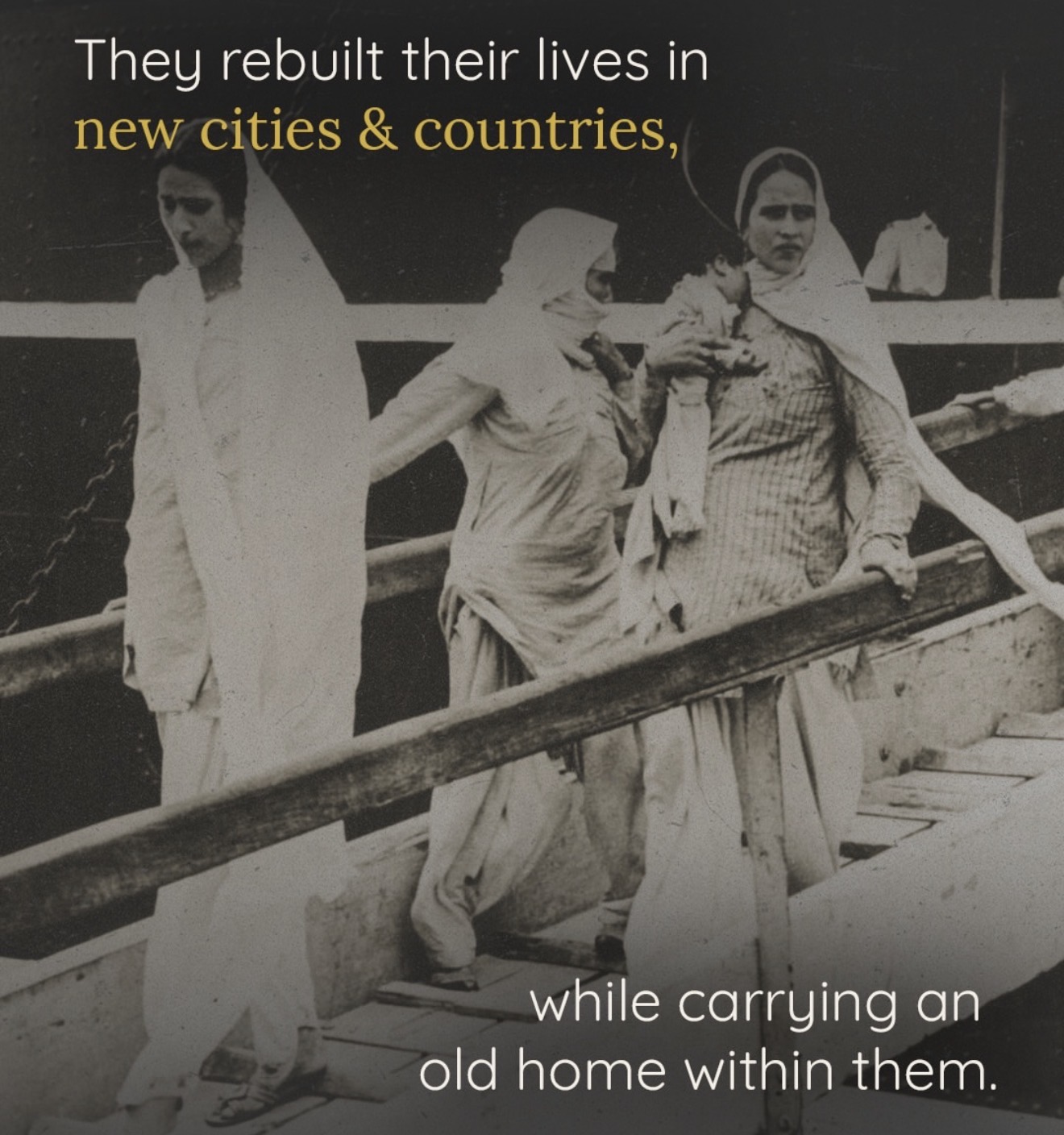
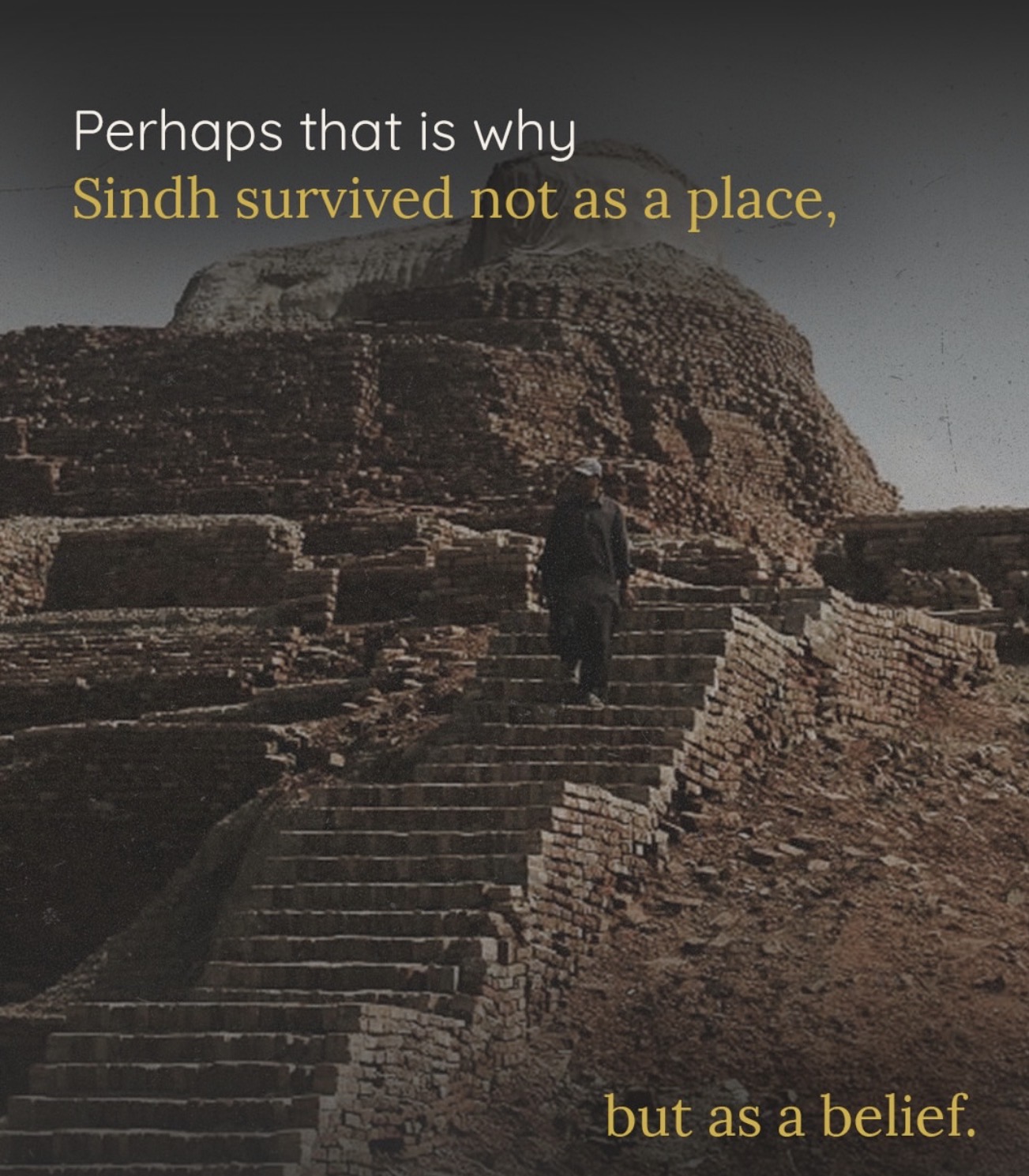
Post Courtesy: Koki Club on social media
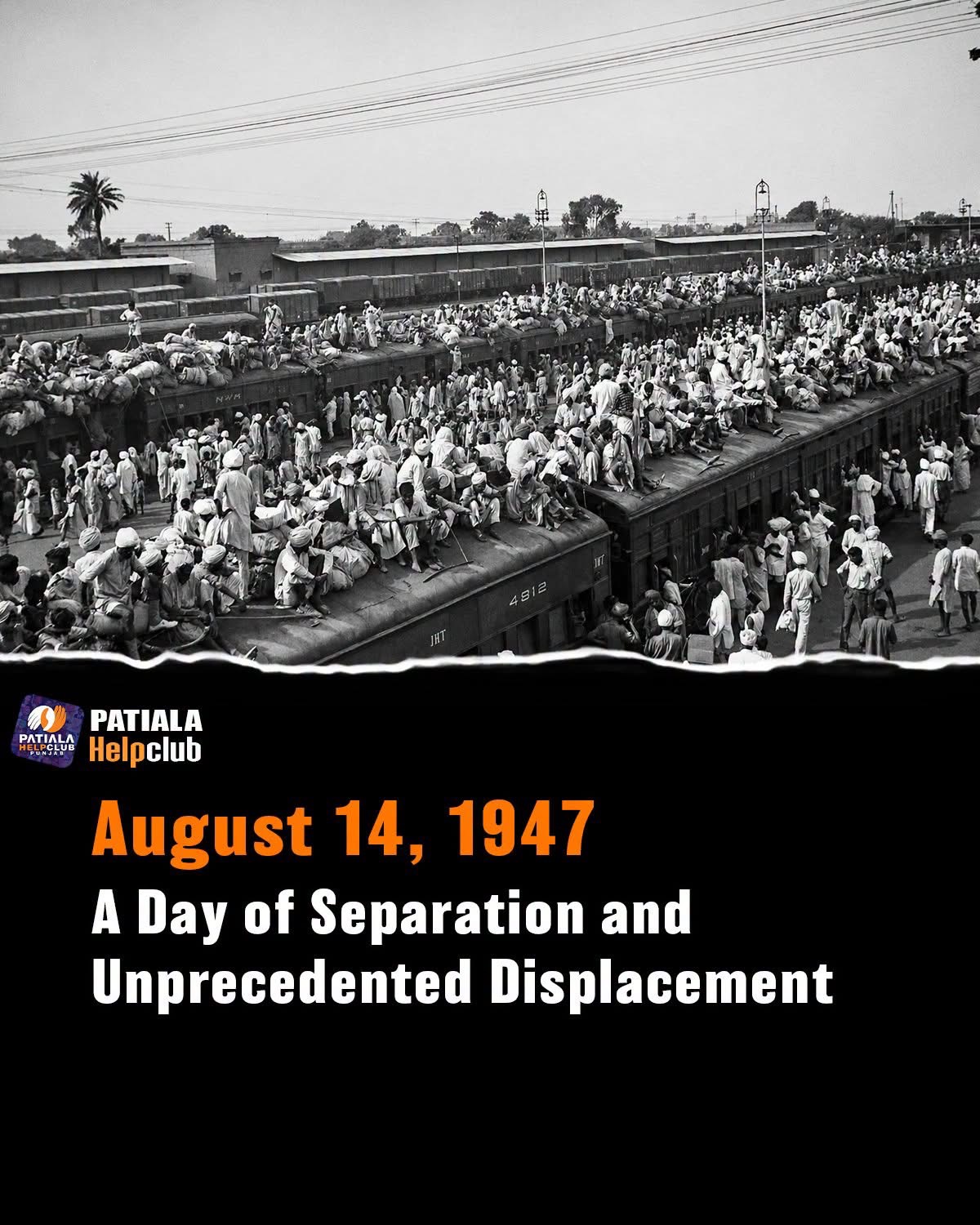
On this day in history, August 14, we solemnly observe the tragic partition of India, a profound event that forever reshaped the destiny of Punjab. By the midnight of August 14-15, 1947, the dominions of India and Pakistan were demarcated, dividing the world’s largest empire. This hastily executed division of Punjab based on district-wide religious majorities triggered one of the largest mass migrations in human history.
Millions of families were abruptly uprooted from their ancestral lands, with Hindus, Muslims, and Sikhs fleeing across the newly drawn borders in search of safety. The resulting displacement was devastating, with widespread communal conflict leading to the tragic loss of hundreds of thousands to millions of lives. Sikhs, who were settled astride the new dividing line in Punjab, suffered immensely, losing access to fertile lands and many sacred historical shrines that became part of Pakistan.
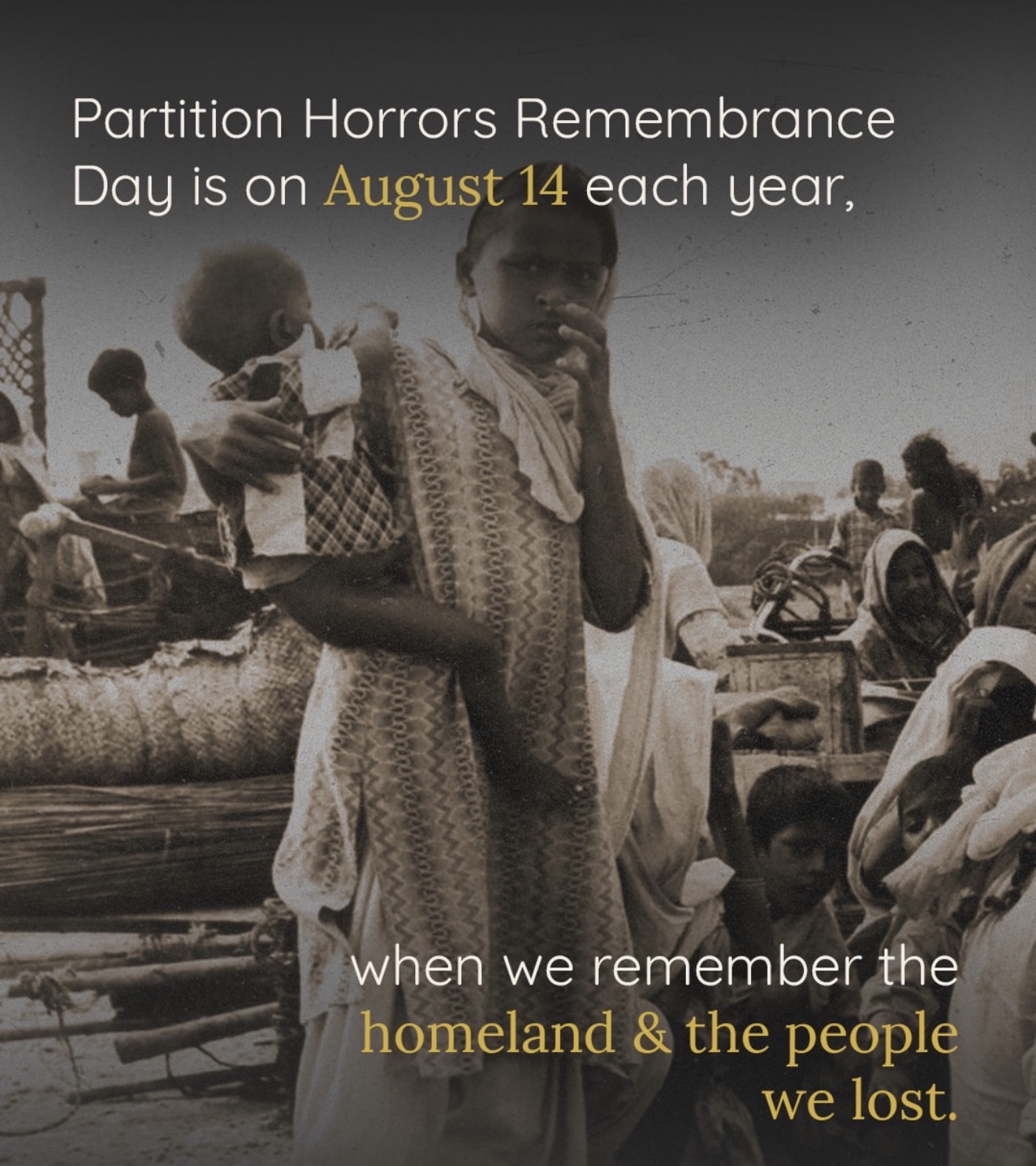
Today, August 14 is officially observed in India as Partition Horrors Remembrance Day to honor the struggles, sacrifices, and resilience of those affected by this monumental tragedy. Furthermore, the Akal Takht has directed Sikhs to observe this date as ‘Ardas Divas’ (Day of Prayer), seeking blessings for easy access to the historical Gurdwaras left behind during the events of 1947.
post courtesy: Patiala Helpclub Punjab
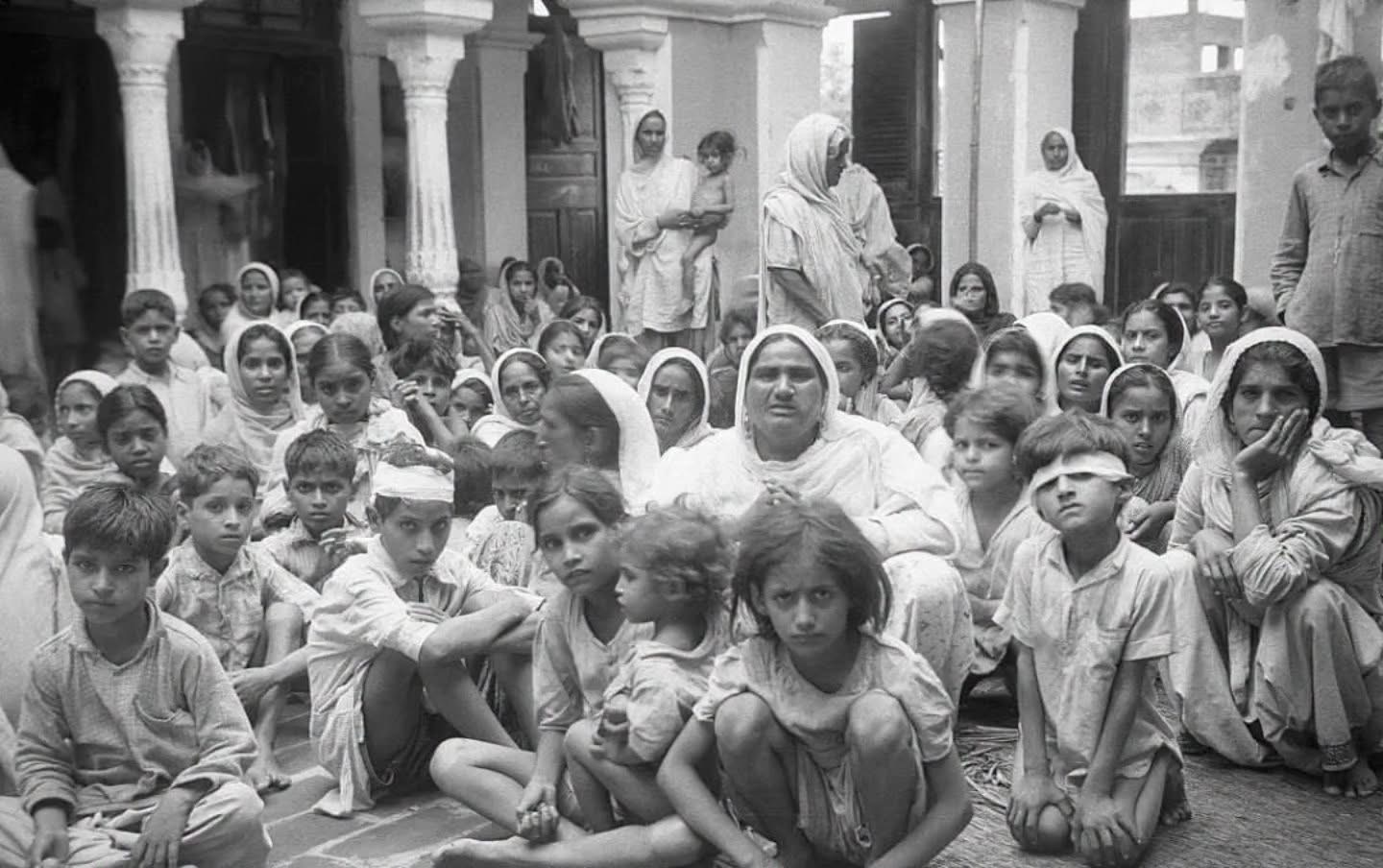
This week marks the 79th anniversary of the Partition of 1947. The photograph above was taken at the railway station in Amritsar after a refugee train arrived from Pakistan during the upheaval. Only women and children can be seen in the photograph. The adult men who had travelled with them had been killed or lost amid the violence and chaos of Partition.
Source: Bettmann via Getty Images.
Post Courtesy: Brown History
#PartitionHorrorsRemembranceDay
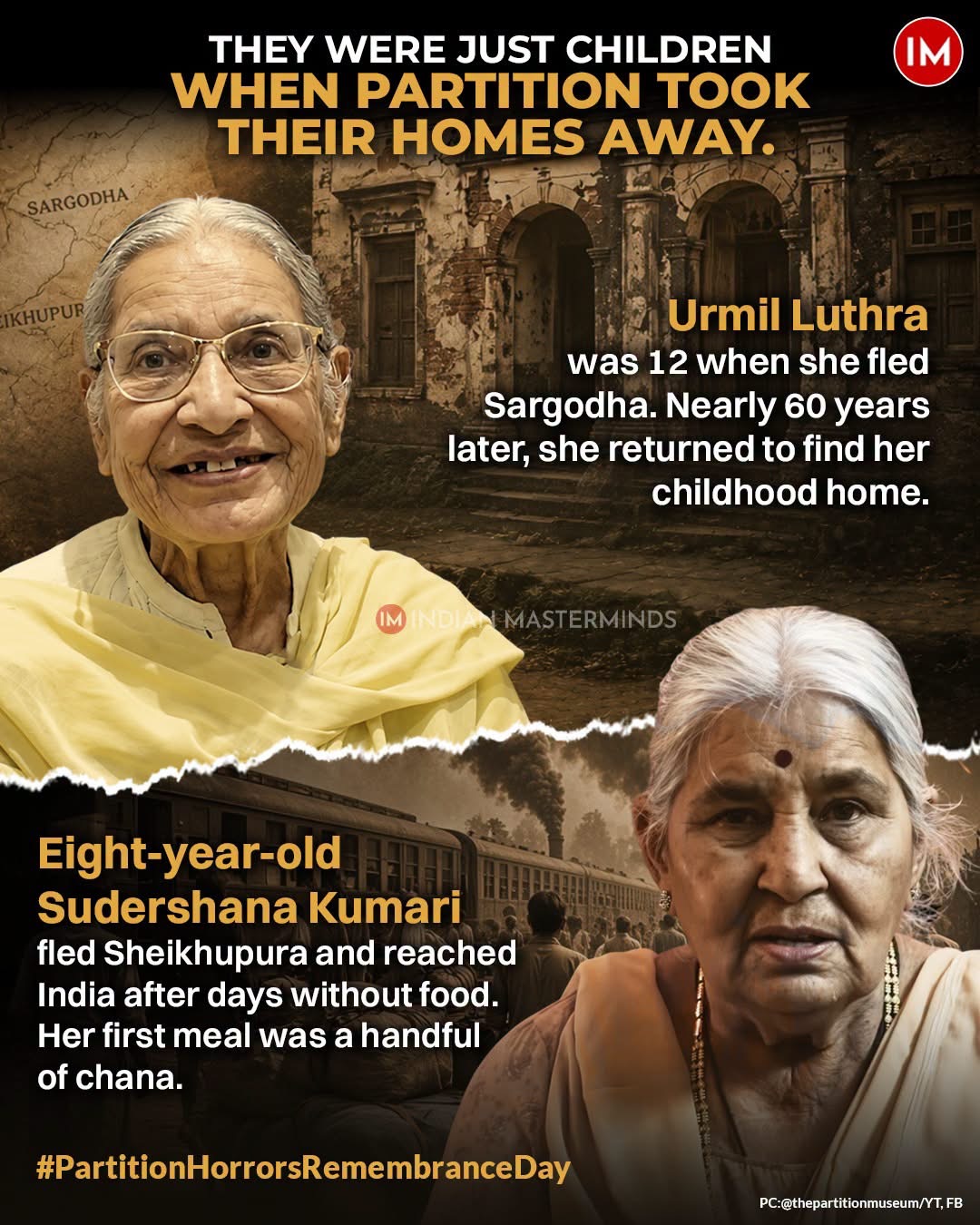
It had been years since Urmil Luthra had seen the place she called home.
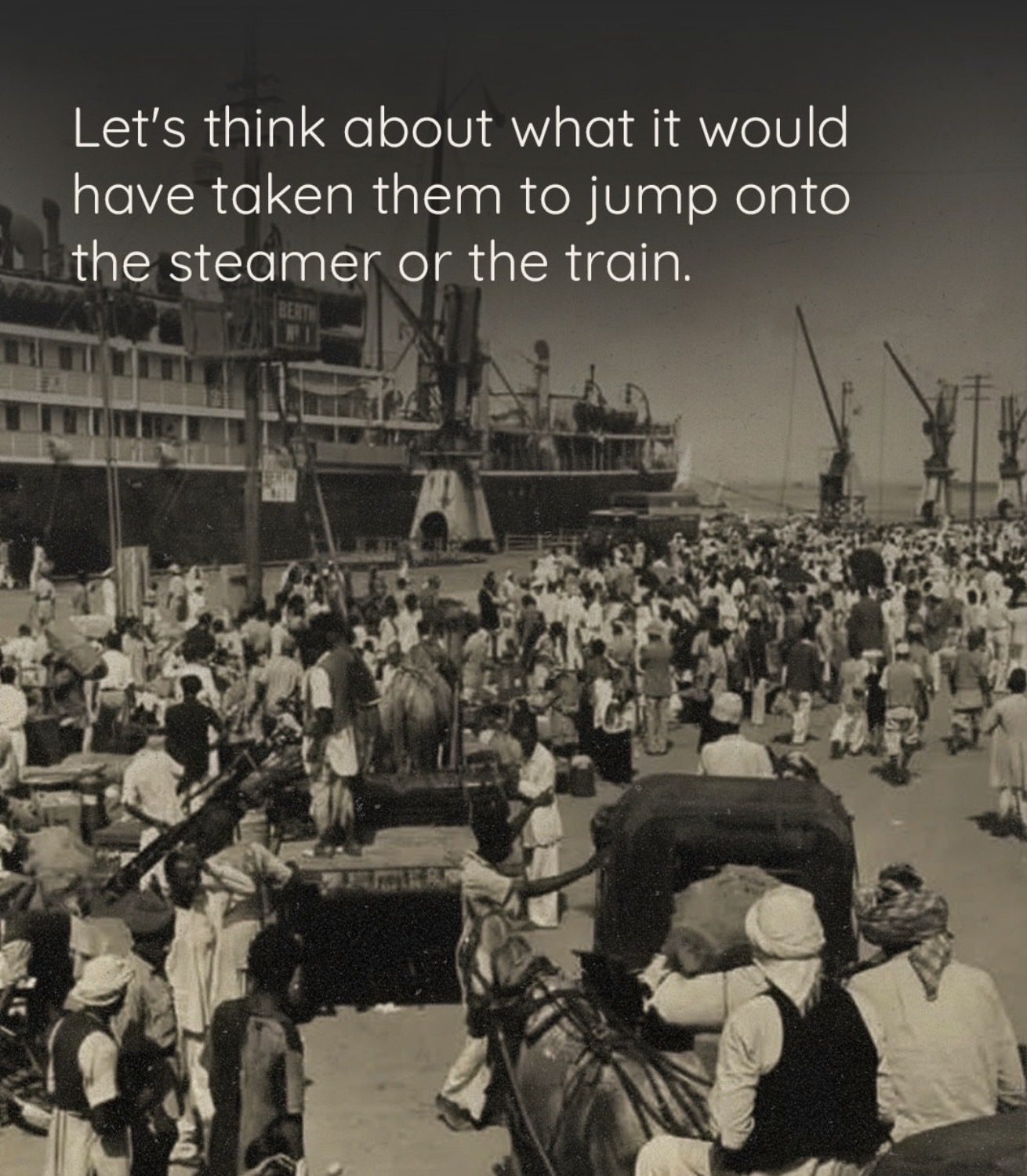
In 1947, she was just 12. She was in Jhelum when the cities around her began burning. Her family fled through Lahore, boarding a train to Amritsar. For one whole night, the train stood still, surrounded by soldiers. The children were told not to make a sound.
She survived. But Sargodha, her childhood home, stayed behind.
Almost 60 years later, Urmil finally returned. She found her old house. The family living there welcomed her with words she never expected to hear:
“The house is yours, and you must stay with us.”
There was another little girl, Sudershana Kumari, who was eight when everything changed.
She was making rotis in Sheikhupura when her family was forced to run. While hiding, she watched a relative’s baby being killed. She still remembers the blood. She still remembers the mother’s cries.
When she finally reached India, she had gone days without food. Her first meal was a handful of chana.
She began again with almost nothing. A single spoon. A few belongings. And memories of a home she could never return to.
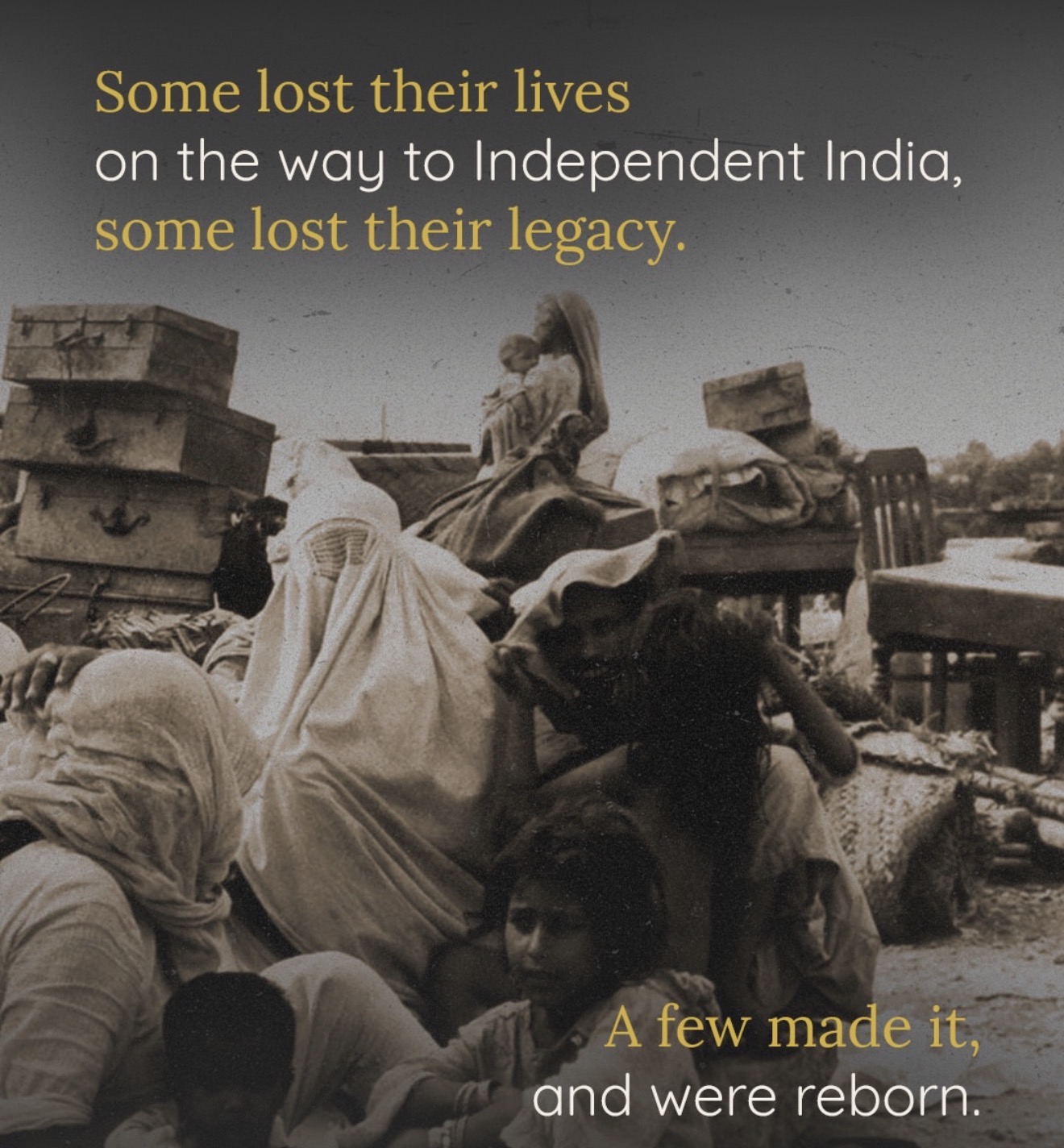
This is what freedom looked like for millions in 1947. India became independent, but Partition left a wound that crossed generations. Many lost the people they loved. Many arrived in places they had never seen. And behind these stories, millions lost their lives.
Today, on Partition Horrors Remembrance Day, we remember the people behind that history. The homes they left. The families they lost. And the lives they rebuilt from nothing.
Prime Minister Narendra Modi wrote, “Heartfelt salutations to all those compatriots who, emerging from that horrific era, made invaluable contributions to the nation’s progress.”
Partition did not only divide a country; it divided childhoods, families, memories and homes.
Post Courtesy: Indian Masterminds

