Published in The Asian Weekly, Edition 609,(May 6th -12th,2022) News direct from the LHSG page may be found on the below mentioned link: http://www.kamaltolia.com/?p=4532&fbclid=IwAR38m63pBZbIPx3HeRuhwqgTSgdXW0SySVf8YrnYjoiqEqrq8lBFZ8JOKQY The Lotus Healing Seva Group have planted several plants and trees over the years, across the continents and have witnessed a remarkably high percentage of success in seeing those trees grow … Continue reading LHSG’S EARTH-KEEPERS! (A healer’s dairy)
Spiritual
Hanuman Ji
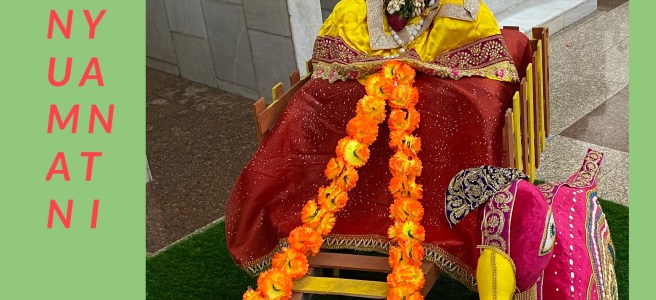
Sankat Mochan dissolves all hurdles, He protects and is ever present ! Thy faith in him is the only calling , Ram Bhakt in his might is ever willing!
Soul’s Hooks!
Some say God is there Some say God is here Some say God is everywhere Each to his own belief Some look up to Him in the sky Some Search in places of worship Some Find God within themselves Some say he doesn’t exist It is their faith or non-faith A Gurmukh says God is … Continue reading Soul’s Hooks!
परमात्मा संग बातें
Shiva!
Travel Trails: (8) Temple Art
Construction site of a South Indian Temple The floral art with vivid colors The Ishwara element with flavors Holiness depicted in pillars & posts Divinity showers through rooftop most Tales from scriptures all appear alive The Hindu Temple site a pilgrimage vive Sikiladi
Travel Trails! (7) Temple Art
Outer façade of a roadside temple in Bengaluru The deity inside is worshipped The outer glance too worshipped The decorative creativity enchants Just a passing glimpse gives grants The Southern Temple art is devotional The carvings and sculpting is special For, the workmen build with dedication Their hearts filled with divine compassion Sikiladi
Travel Trails (6)Garuda
The famous South Indian Temple art is very visible in this picture. The roof top of this road side temple in Bengaluru depicts the legendary character of Garuda Dev mentioned in the Hindu Holy scripture Ramayana. The immaculate carving of Hindu Temples is worthy of praise.
Ganesh!
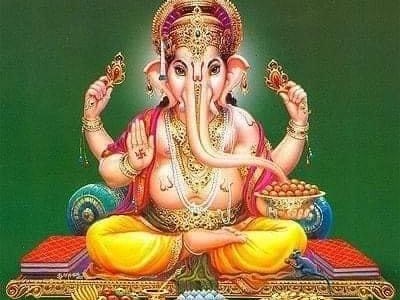
A floral depiction of Bhagwan Ganesh at a Sindhi Hindu Wedding Altar in Dubai. The Divine manifestation takes form, With an elephant head on human form. He bestows auspiciousness with a charm, Blesses each occasion with prayer perform. Adding goodness and sanctity to the events, From all harm ’Vighna harta’ prevents. Be it a child … Continue reading Ganesh!
Aum!

Information courtesy : Ed Vishwanathan

